NEW INFO | Discussing the latest information from various media and various fields

Unleash The Power Of Collaboration: Enhance Team Productivity With Microsoft Teams
How can businesses unlock the true potential of collaboration and communication in the modern workplace? The answer lies in leveraging the power of Microsoft Teams, a comprehensive platform designed to transform team productivity and streamline collaboration.
Through extensive analysis and research, we have compiled this comprehensive guide to help decision-makers understand the value proposition of Microsoft Teams and make informed choices regarding its implementation.
Key Takeaways
| Feature | Benefits |
|---|---|
| Unified Communication and Collaboration | Seamless integration of chat, video conferencing, file sharing, and more. |
| Document Collaboration | Real-time co-authoring and editing of documents, spreadsheets, and presentations. |
| Team Management | Centralized hub for team communication, task management, and knowledge sharing. |
| Third-Party Integrations | Extensibility through integrations with popular apps and services. |
Unleashing the Power of Collaboration
FAQ
Find answers to commonly asked questions about Microsoft Teams, the powerful collaboration tool that enhances team productivity.
Question 1: What are the advantages of using Microsoft Teams over other collaboration tools?
Microsoft Teams offers a comprehensive suite of features designed to streamline communication and collaboration. It seamlessly integrates with other Microsoft applications, enabling easy access to files, meetings, and other tools. Teams' intuitive interface and real-time collaboration capabilities foster seamless communication and enhance productivity.
Question 2: How does Microsoft Teams facilitate effective communication?
Teams provides multiple communication channels, including instant messaging, voice and video calls, and team-wide announcements. Its chat feature enables real-time discussions, file sharing, and quick message replies. Additionally, Teams offers customizable notifications and read receipts, ensuring that important messages are not missed.
Question 3: How does Microsoft Teams enhance collaboration?
Teams provides shared workspaces where team members can collaborate on projects, documents, and files. It enables seamless file sharing, co-authoring, and version control. Teams also integrates with other productivity tools such as SharePoint and OneDrive, providing easy access to shared resources.
Question 4: How does Microsoft Teams support remote work?
Teams is designed to empower remote teams with virtual meeting capabilities, screen sharing, and instant messaging. Its cloud-based platform ensures accessibility from anywhere with an internet connection. Teams also enables teams to stay connected and collaborate effectively, regardless of their location.
Question 5: How does Microsoft Teams ensure data security and privacy?
Teams complies with industry-leading security standards and certifications. It employs robust encryption measures to protect data during transmission and storage. Teams also offers administrative controls, allowing organizations to customize security settings and manage user permissions.
Question 6: What types of organizations benefit from using Microsoft Teams?
Teams is a versatile collaboration tool suitable for organizations of all sizes and industries. It is particularly beneficial for teams that need to improve communication, streamline collaboration, and enhance productivity. Non-profit organizations, educational institutions, and businesses alike can leverage Teams to foster teamwork and achieve their goals.
In conclusion, Microsoft Teams is a powerful collaboration tool that addresses common challenges and empowers teams to work more effectively. Its comprehensive features, seamless integration, and commitment to security make it an invaluable asset for organizations seeking to enhance productivity.
For further insights, explore our next article: Benefits and Best Practices of Microsoft Teams.
Tips
Microsoft Teams, a robust collaboration platform, empowers teams to work seamlessly and enhance their productivity. To unlock its full potential, consider adopting these strategic tips:
Tip 1: Establish a Clear Communication Structure
Define communication channels for different purposes (e.g., team announcements, project updates, informal discussions) to ensure clarity and organization. Create dedicated spaces for specific topics or projects to foster focused discussions.
Tip 2: Leverage the Power of Channels
Use channels to organize conversations by topic, project, or team. This allows for targeted information sharing, reduces distractions, and enables members to easily access relevant discussions and files.
Tip 3: Embrace File Collaboration
Enable real-time collaboration on documents, spreadsheets, and presentations. Team members can simultaneously edit and comment, ensuring up-to-date information and reducing the risk of version conflicts.
Tip 4: Enhance Collaboration with Video Conferencing
Utilize video conferencing to facilitate face-to-face interactions and foster a sense of connection. Screen sharing allows for seamless presentations and real-time problem-solving, regardless of physical distances.
Tip 5: Utilize Integration to Streamline Workflow
Integrate Microsoft Teams with other productivity tools (e.g., OneDrive, SharePoint, Planner) to enhance team efficiency. This eliminates the need to switch between platforms, allowing for seamless task management, file storage, and project collaboration.
By implementing these tips, organizations can Unleash The Power Of Collaboration: Enhance Team Productivity With Microsoft Teams, fostering a collaborative environment that drives innovation and optimizes team performance.
Unleash The Power Of Collaboration: Enhance Team Productivity With Microsoft Teams
A modern workplace demands seamless collaboration, and Microsoft Teams emerges as a transformative tool to empower teams. Its feature-rich environment fosters better communication, streamlined workflow, and enhanced productivity. To harness its full potential, it's essential to understand the key aspects that drive collaboration in Microsoft Teams.
- Centralized Communication: All communication channels, including chat, video calls, and file sharing, reside within a single hub, fostering real-time and comprehensive team interactions.
- Virtual Collaboration: Break geographical barriers with seamless video conferencing, allowing for face-to-face interactions, virtual meetings, and remote team building.
- Shared Workspaces: Teams provides dedicated workspaces where files, notes, and tasks can be shared and accessed by all members, eliminating the need for multiple versions and version control headaches.
- Task Management: Integrated task management features empower teams to assign, track, and collaborate on projects, ensuring accountability and timely project completion.
- Real-Time Document Collaboration: Co-authoring and simultaneous editing of documents enable teams to work on projects concurrently, reducing bottlenecks and speeding up project delivery.
- Seamless Integration: Teams integrates seamlessly with other Microsoft applications, such as Outlook, Word, and Excel, streamlining workflows and enhancing productivity across the entire Microsoft ecosystem.
Effective team collaboration lies at the heart of organizational success. By leveraging the key aspects of Microsoft Teams, organizations can transform their teams into cohesive, highly productive units. Teams provides a virtual nerve center that facilitates seamless communication, shared workspaces, real-time collaboration, and integrated task management. Its versatility and ease of use make it an invaluable tool for teams of all sizes and industries.
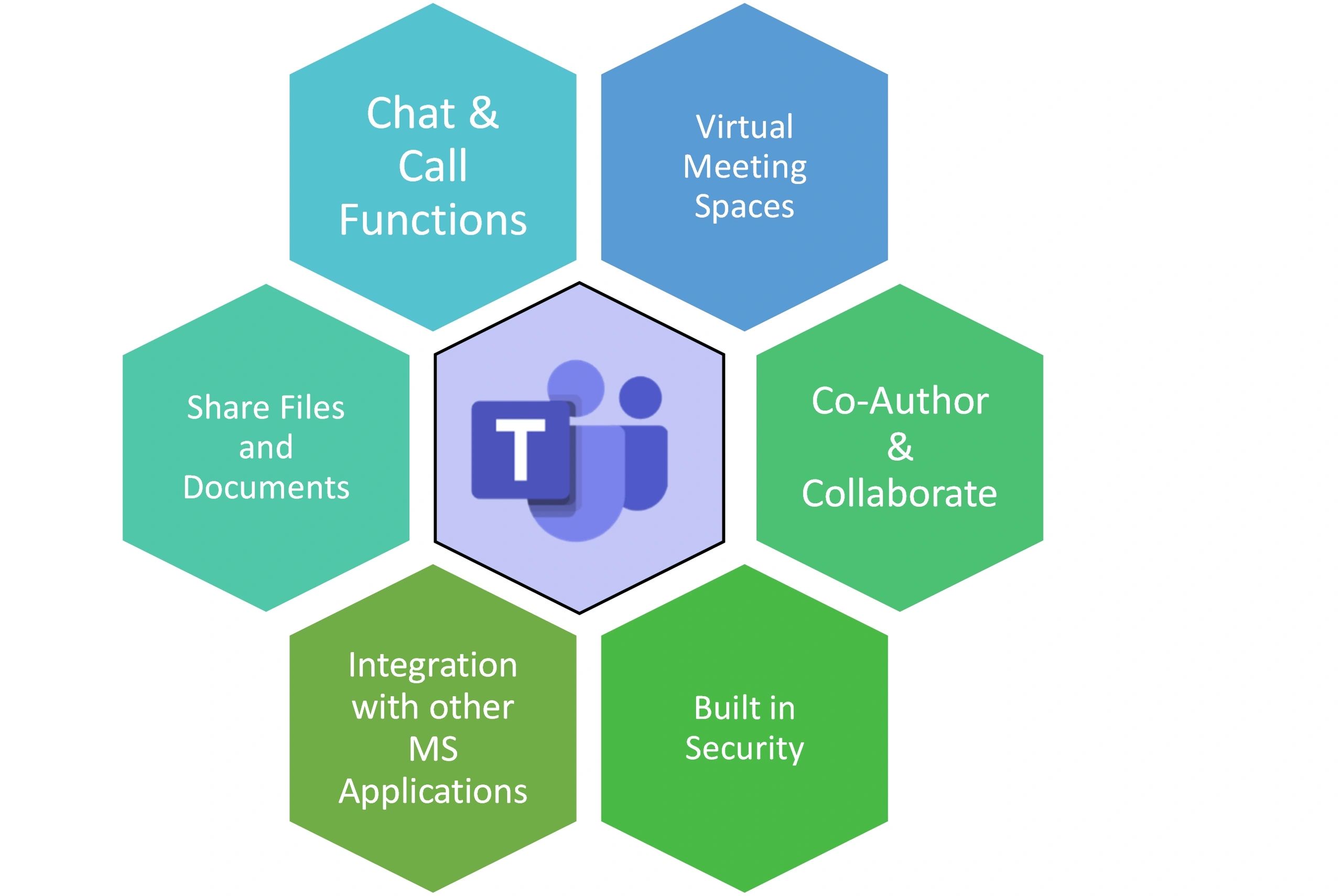
Different Types Of Teams In Microsoft Teams And Their Features Complete - Source eroppa.com
Unleash The Power Of Collaboration: Enhance Team Productivity With Microsoft Teams
Collaboration is a cornerstone of success in any workplace. When individuals work effectively together, they are able to create innovative solutions, solve complex problems, and achieve goals that would be impossible to achieve alone. Microsoft Teams is a powerful tool that can help teams collaborate more effectively. It provides a comprehensive set of features that enable teams to communicate, share information, and work together on projects. By leveraging the power of Microsoft Teams, businesses can unleash the potential of their teams and achieve greater success.

Enhance Team Dynamics and Unleash Creativity: Hosting a Corporate - Source www.squiretarboxinn.com
One of the key benefits of Microsoft Teams is its ability to streamline communication. Teams can use instant messaging, voice and video calls, and email to stay connected with each other. This makes it easy for team members to share ideas, ask questions, and provide updates on their work. Microsoft Teams also integrates with other Microsoft applications, such as Office 365 and SharePoint, which makes it easy for team members to access and share files.
In addition to streamlining communication, Microsoft Teams also helps teams to stay organized and efficient. Teams can create channels for different projects or topics, and they can use tabs to organize their files and conversations. This makes it easy for team members to find the information they need quickly and easily. Microsoft Teams also includes task management features that allow teams to track their progress and ensure that all tasks are completed on time.
Microsoft Teams is a valuable tool for any team that wants to improve its collaboration and productivity. By providing a comprehensive set of features that streamline communication, organization, and task management, Microsoft Teams helps teams to achieve more together.
Conclusion
Microsoft Teams is a powerful tool that can help teams collaborate more effectively and achieve greater success. Its comprehensive set of features streamlines communication, keeps teams organized, and makes task management easier. By leveraging the power of Microsoft Teams, businesses can unlock the potential of their teams and achieve their goals.
In the future, we can expect to see Microsoft Teams continue to evolve and add new features. This will make it even more valuable for businesses of all sizes. If you are looking for a way to improve your team's collaboration and productivity, Microsoft Teams is a great option.