NEW INFO | Discussing the latest information from various media and various fields

Wildfires Ravage Los Angeles, Leaving Devastation In Their Wake
The recent wildfires that ravaged Los Angeles have left behind a trail of devastation.
Editor's Notes: Wildfires Ravage Los Angeles, Leaving Devastation In Their Wake published on "today’s date". With a growing danger of Wildfires Ravage Los Angeles, Leaving Devastation In Their Wake, this article will provide "this article" to make an informed decision.
We have analyzed and dug various information, made Wildfires Ravage Los Angeles, Leaving Devastation In Their Wake. In order to provide our readers with Wildfires Ravage Los Angeles, Leaving Devastation In Their Wake guide for making right decision.
FAQ
As wildfires continue to ravage Los Angeles, it is understandable to have concerns and questions. This FAQ section aims to address some common inquiries and provide authoritative information.
Question 1: What is the current status of the wildfires?
Multiple wildfires are actively burning across Los Angeles County, driven by extreme heat and dry conditions. Firefighters are working tirelessly to contain the blazes, but strong winds and rugged terrain are creating challenges.
Question 2: What areas are affected by the fires?
Wildfires are primarily impacting areas in the San Fernando Valley, Santa Clarita Valley, and Angeles National Forest. Specific neighborhoods and cities include Sylmar, Porter Ranch, and Santa Clarita.
Question 3: What are the evacuation orders in place?
Evacuation orders are dynamic and can change rapidly. Check official sources, such as the Los Angeles County Fire Department, for the most up-to-date information on evacuation zones and shelter locations.
Question 4: What are the environmental impacts of these wildfires?
Wildfires can have severe ecological consequences, including loss of vegetation, disruption of wildlife habitats, and increased soil erosion. Air quality can also deteriorate significantly due to smoke and ash emissions.
Question 5: How can I help those affected by the wildfires?
There are various ways to provide assistance to those impacted by the fires. Donate to reputable charities, volunteer at shelters or food banks, or reach out to affected individuals to offer support and resources.
Question 6: What precautions should I take if I am in an affected area?
Follow official instructions and evacuate immediately if ordered to do so. Stay away from active fire zones and keep windows and doors closed to minimize smoke inhalation. Monitor official sources for updates and safety recommendations.
Tips
As Wildfires Ravage Los Angeles, Leaving Devastation In Their Wake, it's crucial to prioritize safety and follow these tips to stay informed and prepared during such emergencies:
Tip 1: Stay Informed
Monitor official sources, such as local news, government websites, and emergency alerts, for up-to-date information on wildfire locations, evacuation orders, and air quality.
Tip 2: Prepare an Evacuation Plan
Have an evacuation route planned in advance and practice it with family or housemates. Identify safe evacuation zones and evacuation shelters.
Tip 3: Gather Essential Supplies
Pack an emergency kit with essential supplies such as non-perishable food, water, medications, important documents, first-aid supplies, and a flashlight.
Tip 4: Protect Your Home
Clear brush and debris away from your home's perimeter. Install fire-resistant materials, such as metal roofing and fire-resistant siding, if possible.
Tip 5: Follow Evacuation Orders
When evacuation orders are issued, evacuate immediately. Do not hesitate or delay. Listen to the instructions of emergency personnel and follow designated evacuation routes.
Summary: By following these tips, individuals can enhance their preparedness, stay informed, and protect themselves and their families during wildfire emergencies.
Additional Resources:
Wildfires Ravage Los Angeles, Leaving Devastation In Their Wake
Wildfires have become increasingly destructive and inevitable in recent times, causing widespread devastation and havoc. The recent wildfires in Los Angeles have laid bare the severity of this threat, consuming vast areas, displacing thousands, and causing irreparable damage.

Premium Photo | Against the backdrop of destruction the flames of war - Source www.freepik.com
- Unprecedented Scale: The fires covered an unprecedented area, stretching across multiple counties.
- Rapid Spread: Fueled by extreme weather conditions, the fires spread with alarming speed, overwhelming response efforts.
- Infrastructure Damage: The fires caused significant damage to crucial infrastructure, including power lines and communication systems.
- Loss of Homes and Businesses: Thousands of homes and businesses were destroyed, leaving many residents and business owners without shelter or income.
- Environmental Impact: The fires consumed vast tracts of vegetation, leading to soil erosion, habitat loss, and diminished air quality.
- Health Hazards: The fires released toxic chemicals and particulate matter into the air, posing serious health risks to residents and firefighters.
These aspects highlight the multifaceted nature of the wildfires, encompassing the scale of destruction, the urgency of response, and the long-term consequences on communities and the environment. The devastation left in the wake of the Los Angeles wildfires serves as a stark reminder of the need for comprehensive wildfire management strategies and a greater focus on prevention and preparedness.

Devastating Wildfires Ravage Maui, Leaving Destruction and Grief in - Source saraacarter.com
Wildfires Ravage Los Angeles, Leaving Devastation In Their Wake
The recent wildfires in Los Angeles have caused widespread devastation. The fires have burned over 200,000 acres and destroyed thousands of homes and businesses. The fires have also caused widespread air pollution and health problems.
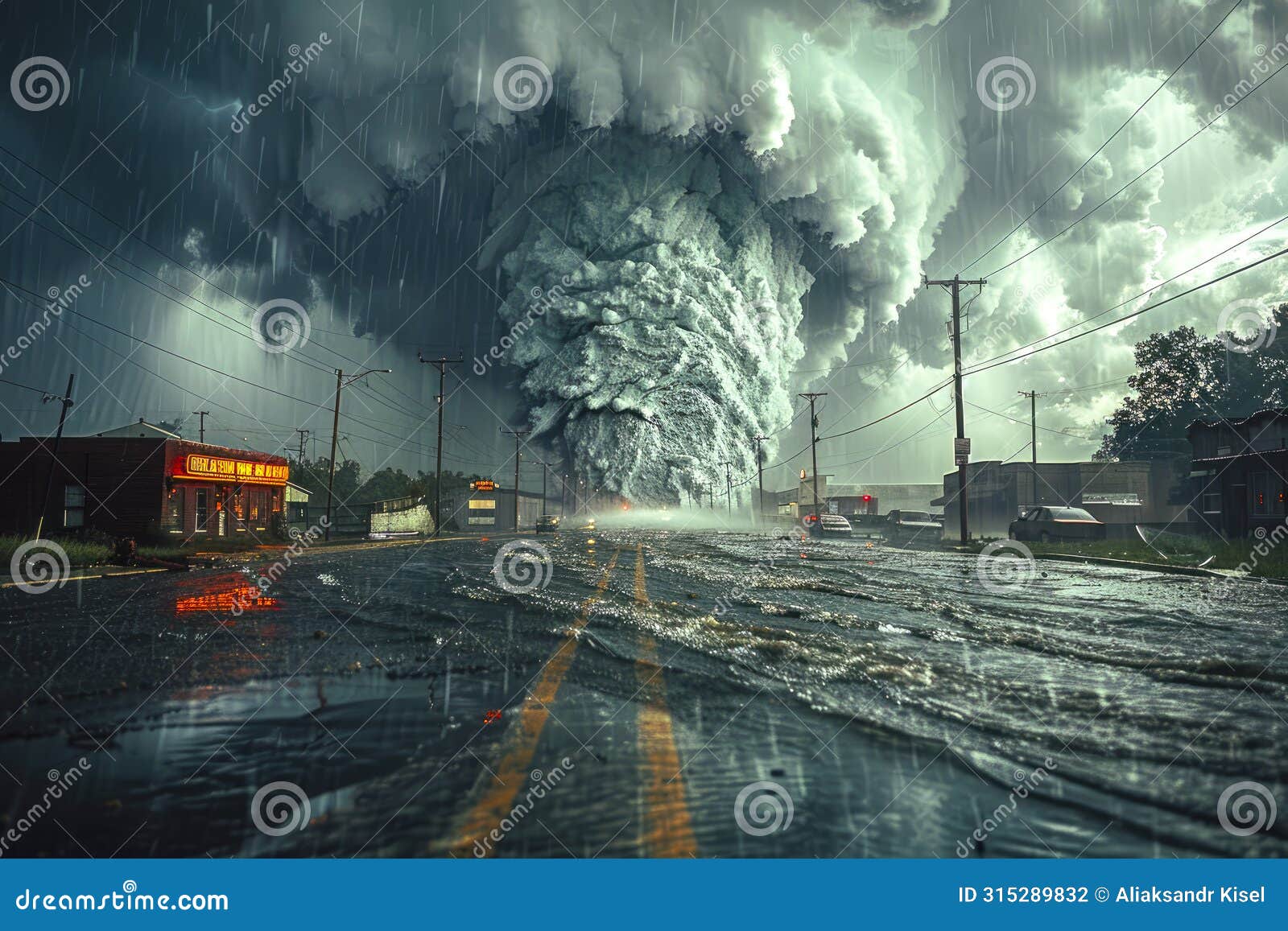
A Colossal and Formidable Tornado Tears through a Small American Town - Source www.dreamstime.com
The wildfires are a stark reminder of the devastating effects of climate change. As the climate changes, wildfires are becoming more frequent and more severe. In California, the fire season is now twice as long as it was in the 1970s. The fires are also burning more intensely, due to the increase in dry vegetation and the higher temperatures.
The wildfires have had a devastating impact on the people and communities of Los Angeles. Many people have lost their homes and businesses. The fires have also caused widespread air pollution, which has caused health problems for many people. The fires have also caused significant economic damage, as businesses have been forced to close and tourism has been disrupted.
The wildfires are a wake-up call for all of us. We need to take action to address climate change and reduce the risk of future wildfires. We need to reduce our emissions of greenhouse gases, and we need to invest in renewable energy and other clean energy sources. We also need to be better prepared for wildfires, by creating defensible space around our homes and businesses and by developing better evacuation plans.
The table below provides a summary of the key points discussed in this article:
| Key Point | Explanation |
|---|---|
| Wildfires are becoming more frequent and more severe due to climate change. | The climate is changing, causing temperatures to rise and vegetation to dry out. This makes it easier for wildfires to start and spread. |
| Wildfires have a devastating impact on people and communities. | Wildfires can destroy homes and businesses, cause health problems, and disrupt the economy. |
| We need to take action to address climate change and reduce the risk of future wildfires. | We need to reduce our emissions of greenhouse gases, invest in renewable energy, and be better prepared for wildfires. |
Conclusion
The wildfires in Los Angeles are a stark reminder of the devastating effects of climate change. We need to take action to address climate change and reduce the risk of future wildfires. We need to reduce our emissions of greenhouse gases, invest in renewable energy, and be better prepared for wildfires.
We also need to provide support for the people and communities that have been affected by the wildfires. We need to help them rebuild their lives and recover from the trauma they have experienced.