NEW INFO | Discussing the latest information from various media and various fields

Unveiling The Secrets Of Laotian Cuisine: A Culinary Expedition
Looking to delve into the captivating world of Laotian cuisine? "Unveiling The Secrets Of Laotian Cuisine: A Culinary Expedition" is a comprehensive guide that unlocks the door to this unique culinary tradition.
Editor's Notes: "Unveiling The Secrets Of Laotian Cuisine: A Culinary Expedition" has published today date and is an invaluable resource for food enthusiasts seeking to explore the rich flavors and techniques of Laotian cooking. This guide provides an in-depth look into the culinary traditions, ingredients, and cooking methods that make Laotian cuisine so captivating.
Our team has dedicated countless hours to analyzing and gathering information, putting together this comprehensive guide that will empower you to make informed decisions about your Laotian culinary journey.
| Key Differences | Key Takeaways |
|---|---|
| Laotians tend to use fish sauces, whereas Thais use soy sauce | Lao cuisine pays particular attention to the use of herbal ingredients such as basil and lemon grass |
Delve into the heart of Laotian cuisine and uncover the intricate flavors and diverse culinary practices that have shaped this vibrant culinary landscape.
FAQ
This comprehensive FAQ section provides answers to frequently asked questions about the captivating cuisine of Laos, ensuring an enriching culinary experience. Dive into the intricacies of Laotian flavors and traditions with these informative responses.
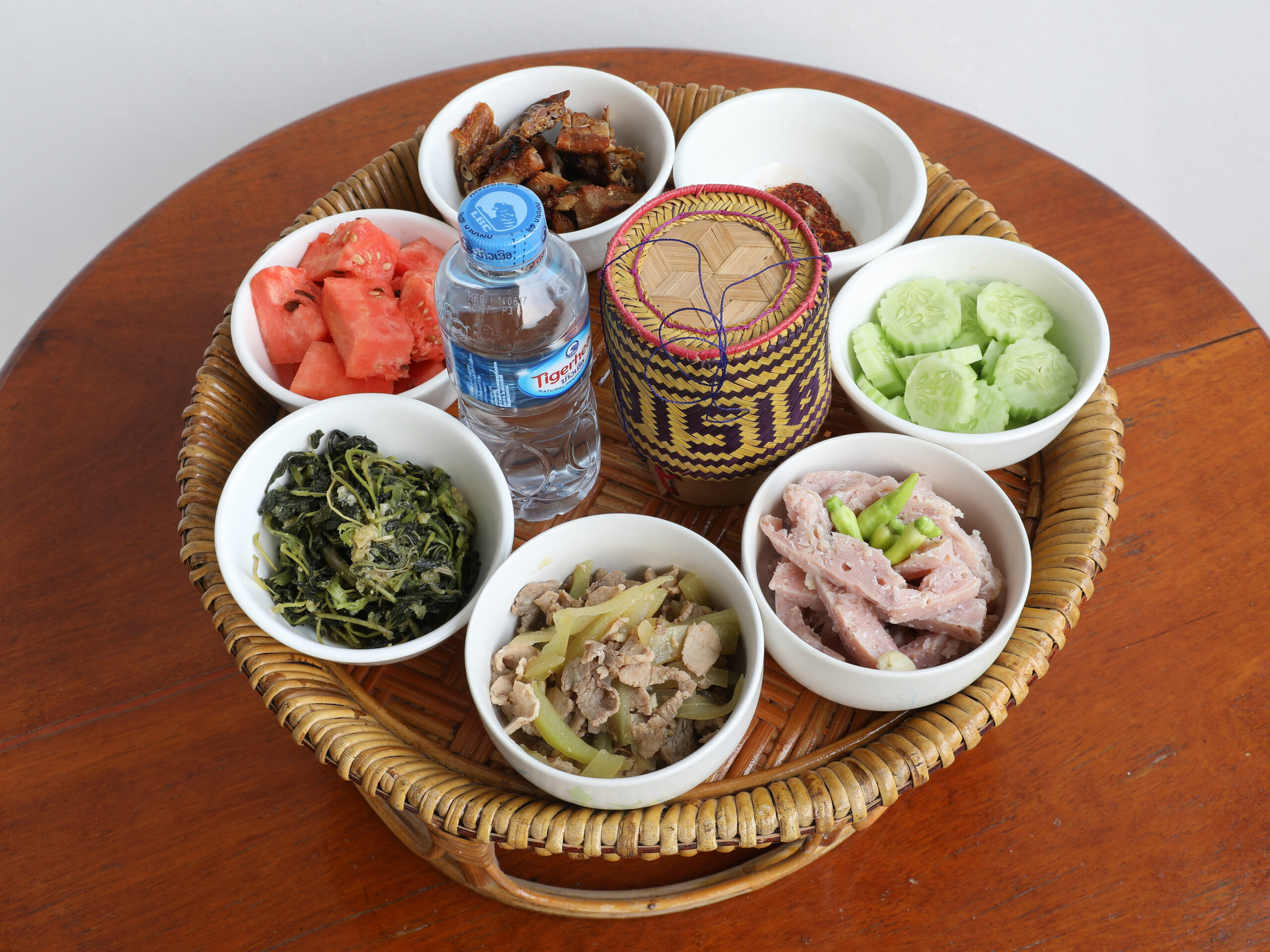
What is Laotian cuisine known for? - FoodNerdy Recipes Management System - Source foodnerdy.com
Question 1: What are the defining characteristics of Laotian cuisine?
Laotian cuisine is renowned for its harmonious blend of sour, spicy, salty, and sweet flavors. The use of fresh herbs, vegetables, and local spices creates a distinctive palate that tantalizes the taste buds. Fish sauce, galangal, and sticky rice serve as fundamental ingredients, contributing to the unique character of Laotian dishes.
Question 2: Is Laotian food typically spicy?
While spice plays a significant role in Laotian cuisine, its intensity varies depending on the region and personal preferences. Northern Laos favors milder flavors, while southern dishes tend to be spicier. Chili peppers are commonly used, but their level of heat can be adjusted to cater to diverse palates.
Question 3: What is the significance of sticky rice in Laotian culture?
Sticky rice holds deep cultural importance in Laos, serving as the staple food and a symbol of unity. It is traditionally steamed in bamboo baskets and eaten with the hands, representing the communal nature of Laotian dining. Sticky rice also finds its way into various dishes, such as rice cakes and desserts.
Question 4: Are there any unique cooking techniques associated with Laotian cuisine?
Laotian cuisine showcases a range of specialized cooking techniques that contribute to its distinctive flavors and textures. Grilling, steaming, and fermentation are widely employed. The use of bamboo for grilling imparts a smoky aroma to meats and vegetables, while fermentation techniques enhance the depth of flavors in dishes like papaya salad and fermented fish.
Question 5: What are some must-try Laotian dishes for first-time visitors?
For an authentic Laotian culinary experience, consider sampling dishes such as laap (meat salad), khao soi (noodle soup), and mok pa (steamed fish). These dishes encapsulate the diverse flavors and ingredients that define Laotian cuisine. Don't forget to pair your meal with a refreshing beer or a local spirit.
Question 6: How can I learn more about Laotian cuisine?
To delve deeper into the world of Laotian cuisine, consider attending cooking classes, exploring local markets, or reading specialized cookbooks. Engage with the friendly locals to gain insights into traditional culinary practices and discover hidden culinary gems. Your culinary journey in Laos promises to be an unforgettable exploration of flavors and traditions.
This concludes the FAQ section, providing a comprehensive overview of Laotian cuisine. As you embark on your Laotian culinary adventure, remember the insights gained from these questions and answers to fully appreciate the richness and diversity of this vibrant cuisine.
Continue your exploration by discovering the tantalizing flavors, traditional cooking methods, and cultural significance of Laotian cuisine in the following sections.
Tips
Discover the delectable secrets of Laotian cuisine with these insightful tips, unveiling the rich tapestry of flavors and culinary traditions.
Tip 1: Embrace the Power of Herbs
Laotian dishes are an aromatic symphony, with an abundance of fresh herbs such as cilantro, holy basil, and lemongrass. Incorporate them liberally to enhance the vibrant flavors.
Tip 2: Master the Art of Balancing Flavors
Laotian cuisine strikes a delicate balance between sweet, sour, salty, bitter, and spicy elements. Experiment with ingredients like fish sauce, palm sugar, and chili peppers to create harmonious dishes.
Tip 3: Explore the Versatility of Sticky Rice
Sticky rice is not just a staple grain but also a canvas for culinary creations. Serve it plain, as a base for salads, or even as a sweet dessert.
Tip 4: Unleash the Umami of Fermented Foods
Fermented ingredients like padaek (fish sauce) and mak khao (rice noodles) add incredible depth of flavor to Laotian dishes. Use them judiciously to elevate the tastiness.
Tip 5: Seek Out Authentic Ingredients
The authenticity of Laotian cuisine lies in its unique ingredients. Source fresh galangal, kaffir lime leaves, and other essential components to ensure the most authentic culinary experience.
Tip 6: Attend Cooking Classes or Workshops
Immerse yourself in the culinary traditions by attending cooking classes or workshops conducted by experienced Laotian chefs. They will impart invaluable knowledge and techniques.
Tip 7: Explore the Culinary Heritage through Travel
Travel to Laos and experience the vibrant food culture firsthand. Visit local markets, street food stalls, and restaurants to savor the authentic flavors and traditions.
By embracing these tips, you will unlock the secrets of Laotian cuisine, embarking on a culinary expedition that will tantalize your taste buds and immerse you in a rich cultural heritage. Explore more in-depth insights by visiting Unveiling The Secrets Of Laotian Cuisine: A Culinary Expedition.
Unveiling The Secrets Of Laotian Cuisine: A Culinary Expedition
Laotian cuisine, a symphony of flavors, ingredients, and techniques, holds untold secrets waiting to be discovered. Exploring its diverse dimensions, this expedition unveils the essential aspects that define this culinary treasure.
Traditional laotian cuisine Stock Vector Images - Alamy - Source www.alamy.com
- Sticky Rice: Staple, gluten-free, versatile.
- Fermented Fish Sauce: Umami-rich, aromatic, essential condiment.
- Green Papayas: Tangy, crunchy, star ingredient in salads.
- Lemongrass: Aromatic, citrusy, adds freshness.
- Chillies: Fiery, pungent, balanced by herbs.
- Fresh Herbs: Cilantro, mint, dill, essential for flavor and aroma.
These key aspects intertwine harmoniously, creating Laos' unique culinary story. Sticky rice serves as a blank canvas, absorbing the flavors of rich sauces and stews. Fermented fish sauce adds depth and complexity, while green papayas provide a refreshing contrast. Lemongrass and chillies dance together, creating a fiery balance. Fresh herbs add a vibrant aromatic tapestry, completing the Laotian culinary experience. Together, they weave a rich tapestry of flavors, textures, and aromas, leaving an unforgettable mark on the palate.
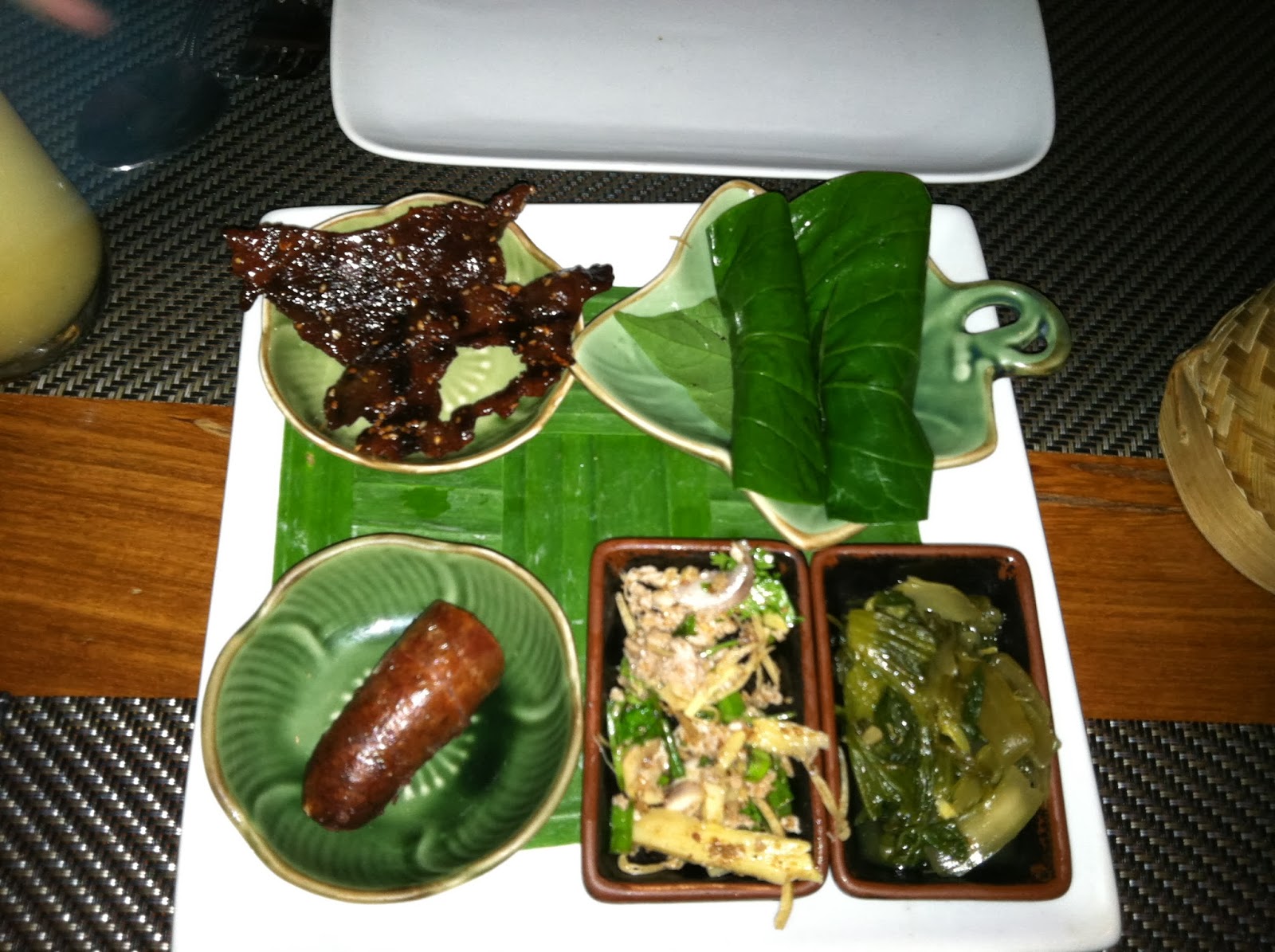
Katie's Travel Blog: Laotian Cuisine - Source katiesinnormandy.blogspot.com
Unveiling The Secrets Of Laotian Cuisine: A Culinary Expedition
Over the years, Laotian cuisine has gained recognition for its unique flavors and tantalizing aromas. Understanding its composition is key in comprehending this culinary art form. Laotian cuisine is characterized by a harmonious balance of salty, sour, spicy, and sweet tastes. This blend of flavors is achieved through the use of fresh ingredients and traditional cooking techniques that have been passed down through generations.

Premium Photo | Molecular Gastronomy Under the Microscope Unveiling the - Source www.freepik.com
A defining characteristic of Laotian cuisine is its use of herbs and greens, which verleihen freshness and complexity to dishes. These ingredients include lemongrass, coriander, mint, and basil, among others. Fish sauce, a staple ingredient in Laotian cooking, adds a distinctive umami flavor to many dishes.
In addition to its flavorful elements, Laotian cuisine also emphasizes presentation. Dishes are often garnished with fresh herbs, flowers, and sliced chilies, creating an appealing visual experience.
Furthermore, it is also a social experience in Laos. Family and friends often gather around a communal table to share meals, strengthening social bonds and creating a sense of community.
To truly appreciate the beauty of Laotian cuisine, one must consider its cultural significance. Laos has a rich history and diverse cultural influences, which are reflected in its culinary traditions. Laotian cuisine is not merely a collection of dishes; it is an expression of the country's heritage and identity.
Unveiling the secrets of Laotian cuisine is a culinary expedition that leads to a deeper appreciation of its flavors, ingredients, and cultural significance. It is an exploration that rewards the curious with a profound understanding of a vibrant and diverse culinary tradition.
Table: Key Insights into Laotian Cuisine
| Concept | Key Insights |
|---|---|
| Flavor Profile | Harmonious blend of salty, sour, spicy, and sweet tastes |
| Ingredients | Use of fresh herbs, greens, and fish sauce |
| Presentation | Dishes are often garnished with fresh herbs and flowers |
| Social Significance | Meals are often shared communally, strengthening social bonds |
| Cultural Heritage | Laotian cuisine reflects the country's history and diverse cultural influences |
Conclusion
Laotian cuisine is a culinary gem that offers a captivating exploration of flavors, ingredients, and cultural heritage. Its unique blend of tastes and the use of fresh herbs and greens create a symphony of flavors that tantalizes the palate.
More than just a collection of dishes, Laotian cuisine is a reflection of the country's rich history and diverse cultural influences. It is a testament to the creativity and culinary expertise of the Lao people.
As the culinary world continues to evolve, Laotian cuisine stands poised to gain even wider recognition and appreciation. Its unique flavors and traditions offer a refreshing and authentic culinary experience that is sure to delight and inspire diners around the globe.