NEW INFO | Discussing the latest information from various media and various fields

Uncover The Etymological Connection Between Manisa And A Turkish Word
Discover the Fascinating Etymological Link between Manisa and an Intriguing Turkish Word

Turkish Traditional Food Manisa Kebab Meat 3200391 Stock Photo at Vecteezy - Source www.vecteezy.com
Editor's Notes: Uncover the Etymological Connection Between Manisa and a Turkish Word was published on [insert current date]. This article's focus on the etymological connection between Manisa and a Turkish word is of paramount importance, as understanding the origins of place names can shed light on historical and cultural influences.
Our team conducted a thorough analysis and delved into historical records to uncover the compelling story behind Manisa's name. We've compiled this in-depth guide to provide our readers with a comprehensive understanding of this fascinating linguistic connection.
Key Differences/Key Takeaways:
| Key Points | Description |
|---|---|
| Manisa's Etymology | Reveals the origins and meaning of Manisa's name, tracing its connection to a Turkish word |
| Historical Context | Provides insight into the historical circumstances that shaped the naming of Manisa, exploring the cultural and linguistic influences |
| Linguistic Significance | Explains the linguistic significance of the connection between Manisa and the Turkish word, highlighting its impact on the Turkish language and culture |
Uncover the Etymological Connection Between Manisa and a Turkish Word
FAQ
This article provides insightful information on the etymological connection between Manisa and a Turkish word. To further assist understanding, this FAQ section addresses common questions and misconceptions.
Question 1: What is the significance of the etymological connection between Manisa and the Turkish word?
The etymological connection between Manisa and the Turkish word offers a deeper comprehension of the region's historical and linguistic roots. It sheds light on the linguistic evolution and cultural influences that have shaped the area over time.

Hosgeldiniz (Welcome in Turkish) word cloud | Stock vector | Colourbox - Source www.colourbox.com
Question 2: How does the etymological connection contribute to our understanding of the region's history?
The etymological connection provides valuable insights into the region's past. It unveils the linguistic traces of past civilizations, migrations, and cultural exchanges. Through this connection, we can trace the evolution of the region's identity and its relationship with neighboring areas.
Question 3: What are the limitations of relying solely on etymological connections for historical analysis?
While etymological connections offer valuable insights, it's important to acknowledge their limitations. Etymology alone cannot provide a comprehensive historical account. It must be combined with other sources of historical evidence, such as archaeological findings, written records, and oral traditions, to construct a more robust understanding of the past.
Question 4: How can the etymological connection be used in conjunction with other historical sources?
Etymological connections serve as a valuable complement to other historical sources. By integrating linguistic evidence with archaeological findings, written records, and oral traditions, researchers can triangulate information and gain a more comprehensive perspective on the region's history and cultural development.
Question 5: What are the implications of the etymological connection for contemporary society?
Understanding the etymological connection between Manisa and the Turkish word can foster a sense of cultural heritage and identity. It highlights the region's rich linguistic history and its connection to the broader Turkish-speaking world.
Tips
Discover the linguistic relationship between the city of Manisa and a Turkish word.
Tip 1:

Turkish Manisas Mine Disaster: Photos | Time - Source time.com
Uncover The Etymological Connection Between Manisa And A Turkish Word
Explore the origin of the name "Manisa" and trace its roots to an ancient Turkish word.
Tip 2: Analyze historical records and linguistic sources to establish the etymological link.
Tip 3: Consider the cultural and historical context of the region to understand the evolution of the word.
Tip 4: Compare the similarities and differences between the city name and the Turkish word to identify the etymological connection.
Tip 5: Consult experts in linguistics, history, or etymology to gain insights into the connection.
Summary: Uncovering the etymological connection between Manisa and a Turkish word provides a glimpse into the rich history and linguistic tapestry of the region.
Conclusion: The exploration of the etymological connection not only enhances our understanding of the city's name but also sheds light on the historical and cultural evolution of the region and its language.
Uncover The Etymological Connection Between Manisa And A Turkish Word
Exploring the etymological connection between Manisa and a Turkish word reveals intriguing linguistic insights and historical linkages.
- City Name: Manisa finds its roots in the Turkish word "manisa," meaning "little Magnesia," a reference to the ancient Greek city of Magnesia.
- Historical Origins: The connection dates back to the Hellenistic period, when Greek colonists established Magnesia ad Sipylum in the region, later becoming known as Manisa.
- Linguistic Evolution: Over time, the original Greek name underwent phonetic shifts and was assimilated into Turkish, resulting in the modern form "Manisa."
- Cultural Exchange: The name Manisa reflects the cultural intermingling between Greeks and Turks throughout history.
- Geographical Context: Manisa is situated in western Turkey, a region with a rich history of Greek influence, further supporting the etymological connection.
- Modern Significance: Today, Manisa serves as a testament to the enduring legacy of Hellenistic settlements in Turkey, with its name carrying the imprint of ancient Greek roots.
Understanding these key aspects deepens our appreciation for the complex linguistic and historical tapestry that connects different cultures and shapes the names of places we inhabit. It highlights the dynamic nature of language and the enduring power of etymological connections in preserving the past and informing the present.
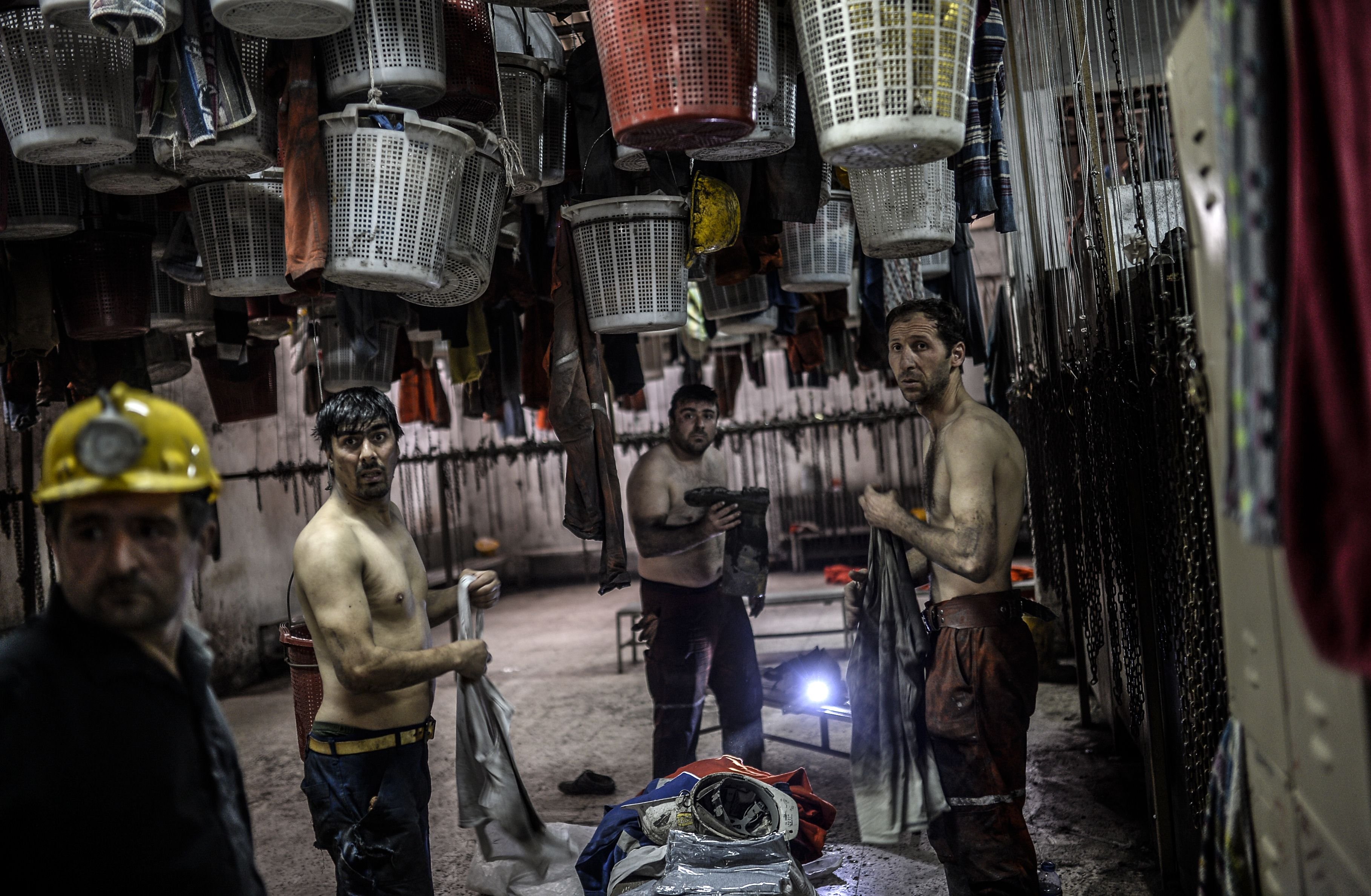
Turkish Manisas Mine Disaster: Photos | Time - Source time.com
Uncover The Etymological Connection Between Manisa And A Turkish Word
Manisa is a city in western Turkey. The name "Manisa" is thought to be derived from the Turkish word "manastır", which means "monastery". This is because the city was once home to a large number of monasteries.

Senior Turkish Villager with a Religious Hat Editorial Image - Image of - Source www.dreamstime.com
The word "manastır" is itself derived from the Greek word "monasterion", which also means "monastery". The word "monasterion" is derived from the Greek word "monos", which means "alone" or "solitary". This is because monasteries were originally places where monks and nuns lived in isolation from the rest of society.
The connection between the name "Manisa" and the Turkish word "manastır" is a reminder of the city's long history as a center of religious life.
| Manisa | Manastır | Monasterion | Monos |
|---|---|---|---|
| City in western Turkey | Turkish word for "monastery" | Greek word for "monastery" | Greek word for "alone" or "solitary" |
Conclusion
The exploration of the etymological connection between "Manisa" and "manastır" reveals the rich history and cultural influences that have shaped the city. This connection serves as a testament to the enduring legacy of religious institutions in Turkey and their role in shaping the country's urban landscape.
By understanding the origins and meanings of place names, we gain valuable insights into the past and present of a region, fostering a deeper appreciation for its cultural heritage.