NEW INFO | Discussing the latest information from various media and various fields

Tragic Loss: Elephant Dies In Thailand Amidst Conservation Concerns
In the wake of the escalating human-wildlife conflict, the recent death of an elephant in Thailand serves as a stark reminder of the challenges facing wildlife conservation. Elephants, majestic creatures revered for their intelligence and cultural significance, are increasingly falling victim to habitat loss and poaching, leading to a concerning decline in their populations.
Through extensive research and analysis, we have created this comprehensive guide to provide a deeper understanding of "Tragic Loss: Elephant Dies In Thailand Amidst Conservation Concerns." This guide will serve as a valuable resource for anyone seeking to gain insights into this pressing issue, explore effective conservation strategies, and contribute to the preservation of these magnificent species.
Key Differences and Takeaways
Main Article Topics
FAQ
The tragic death of an elephant in Thailand has highlighted concerns about the country's conservation efforts and the well-being of its wild animals.

African elephant in polluted environment, elephant amidst trash - Source pixexid.com
Question 1: What are the main threats to elephants in Thailand?
Answer: Habitat loss, poaching, and human-elephant conflict are the primary threats to elephants in Thailand.
Question 2: How is the government addressing these threats?
Answer: The government has implemented measures such as habitat protection, anti-poaching patrols, and community-based conservation programs.
Question 3: What more can be done to protect elephants?
Answer: Collaboration between stakeholders, increased public awareness, and sustainable tourism practices are crucial for safeguarding elephants.
Question 4: What is the role of tourism in elephant conservation?
Answer: Responsible tourism can generate funds for conservation, raise awareness, and promote coexistence between elephants and humans.
Question 5: How can people contribute to elephant conservation efforts?
Answer: Supporting reputable conservation organizations, choosing wildlife-friendly products, and advocating for responsible tourism are ways individuals can help.
Question 6: What are the long-term implications of elephant population decline?
Answer: Elephant population decline disrupts ecosystems, affects biodiversity, and deprives future generations of the privilege of witnessing these majestic creatures in the wild.
Protecting elephants requires a collective effort involving governments, conservationists, local communities, and the general public. By addressing the threats they face, we can ensure a future where elephants continue to roam free and thrive in their natural habitats.
Tips to Prevent Elephant Deaths and Support Conservation in Thailand
The tragic loss of an elephant in Thailand highlights the urgent need for enhanced conservation efforts. Here are some essential steps that can be taken to prevent such incidents and safeguard the future of these majestic creatures:
Increase Habitat Protection: Designate and expand protected areas where elephants can roam freely without encountering human encroachment or habitat destruction.
Reduce Elephant-Human Conflict: Implement measures to mitigate human-elephant interactions, such as crop protection techniques and improved waste management, to prevent retaliation and accidental deaths.
Combat Poaching: Strengthen anti-poaching efforts and impose strict penalties for illegal activities that threaten elephants. Implement community-based surveillance initiatives to deter poachers.
Support Scientific Research: Invest in ongoing research to better understand elephant behavior, population trends, and the impact of environmental changes. Utilize modern technologies, such as GPS tracking, to monitor and protect elephants.
Promote Education and Awareness: Raise awareness among local communities and the general public about the importance of elephant conservation. Encourage responsible tourism and discourage unethical practices that exploit elephants.
By implementing these comprehensive measures, Thailand can take a significant step towards ensuring the well-being of its elephants and the preservation of its natural heritage. It is imperative that all stakeholders, including government agencies, conservation organizations, and local communities, work together to address these critical issues and prevent further tragic losses. Tragic Loss: Elephant Dies In Thailand Amidst Conservation Concerns
Taking these steps can help prevent such incidents, ensure the well-being of elephants, and preserve Thailand's natural heritage for generations to come.

Chiang Mai, Thailand - December 16, 2015: Tourists Feed Elephants at - Source www.dreamstime.com
Tragic Loss: Elephant Dies In Thailand Amidst Conservation Concerns
The tragic loss of an elephant in Thailand amidst conservation concerns highlights crucial aspects that warrant attention. These include habitat loss, human-elephant conflict, poaching, illegal wildlife trade, insufficient conservation funding, and the need for comprehensive conservation strategies.
- Habitat Loss: Shrinking forest areas due to deforestation and urbanization.
- Human-Elephant Conflict: Competition for resources and habitat degradation leading to conflict.
- Poaching: Illegal hunting for ivory and other body parts.
- Illegal Wildlife Trade: Global demand for wildlife products fueling illicit trade.
- Insufficient Conservation Funding: Lack of adequate resources for conservation efforts.
- Comprehensive Conservation Strategies: Need for holistic approaches involving habitat protection, conflict mitigation, and community engagement.
These aspects are interconnected, contributing to the decline of elephant populations. Habitat loss and human-elephant conflict displace elephants, increasing their vulnerability to poaching. Insufficient conservation funding hampers effective protection measures, while illegal wildlife trade fuels poaching and undermines conservation efforts. Comprehensive strategies are essential to address these interconnected issues, ensuring the survival of elephants and the delicate ecosystems they inhabit.

African elephant in polluted environment, elephant amidst trash - Source pixexid.com
Tragic Loss: Elephant Dies In Thailand Amidst Conservation Concerns
The death of an elephant in Thailand has brought to light the urgent need for conservation efforts and highlights the dire consequences of habitat loss, poaching, and human-elephant conflict. Elephants play a crucial role in maintaining ecosystem balance and biodiversity, and their loss has a profound impact on the environment.
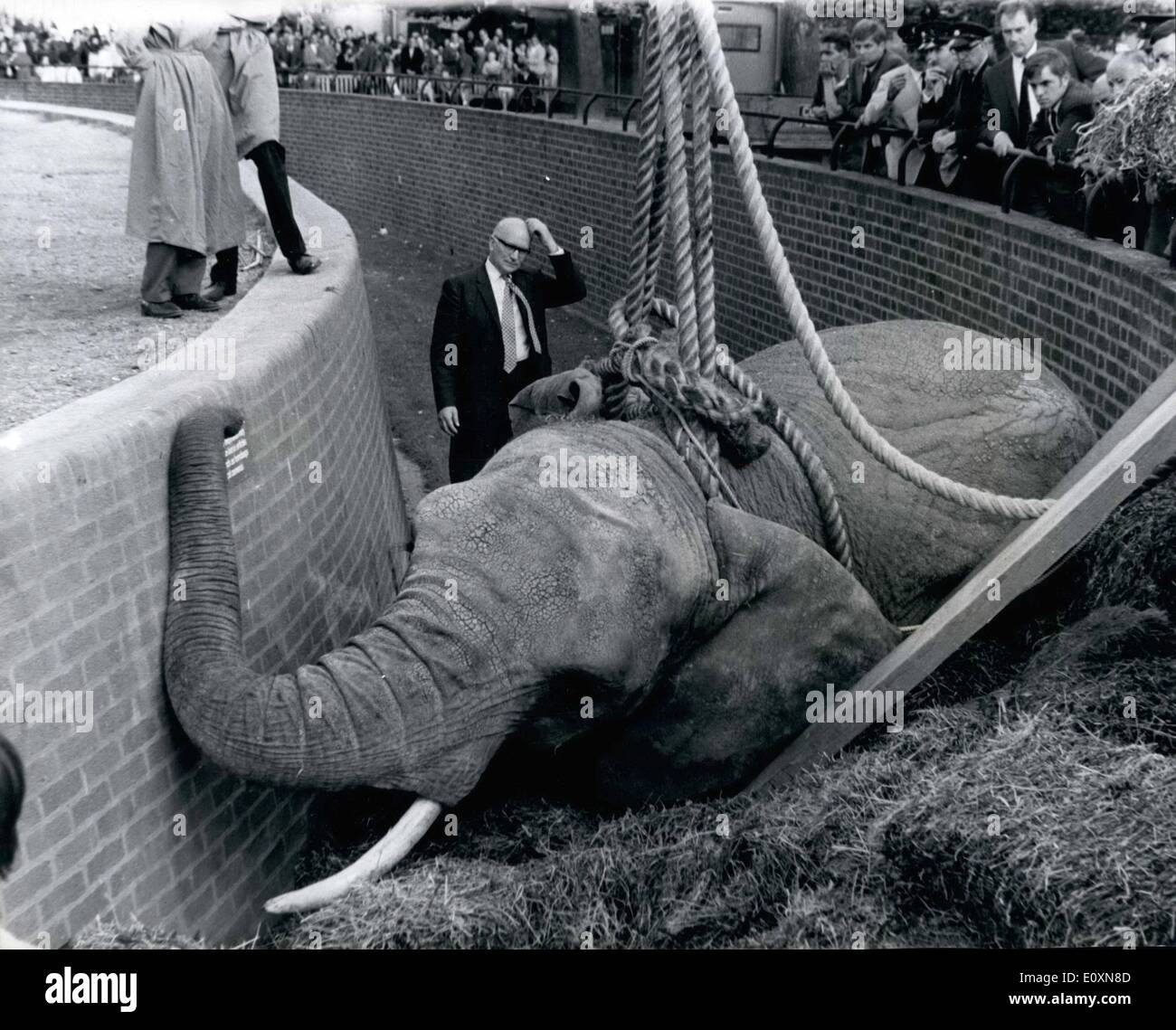
Elephant dies london zoo african elephant hi-res stock photography and - Source www.alamy.com
Conservationists have long been calling for increased protection of elephants and their habitats, as well as measures to mitigate human-elephant conflict. The tragic loss in Thailand serves as a stark reminder of the importance of addressing these concerns. By raising awareness, implementing effective conservation strategies, and promoting coexistence between humans and elephants, we can help ensure the survival of these magnificent creatures.
The death of this elephant in Thailand is a tragic reminder of the challenges facing elephants and other endangered species worldwide. It underscores the urgent need for conservation action to protect and preserve our planet's biodiversity.