NEW INFO | Discussing the latest information from various media and various fields

Thailand Air Pollution: Causes, Health Effects, And Mitigation Strategies
Thailand Air Pollution: Causes, Health Effects, And Mitigation Strategies
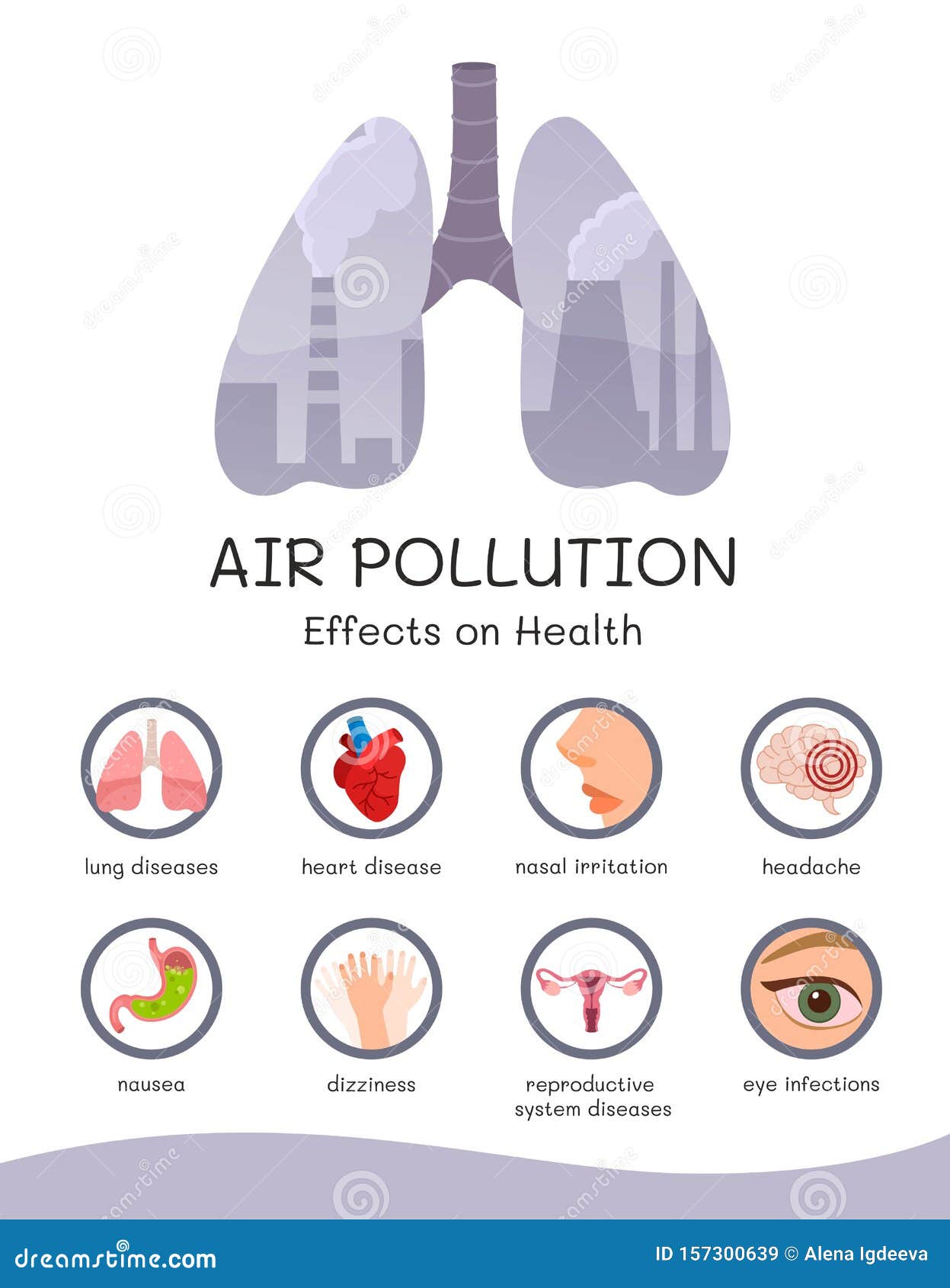
Infographic air pollution. stock vector. Illustration of ecology - Source www.dreamstime.com
Editor's Notes: Thailand Air Pollution: Causes, Health Effects, And Mitigation Strategies have published today date. The air pollution in Thailand has become a major environmental and health concern. The levels of air pollution in Thailand often exceed the safe limits set by the World Health Organization (WHO). This can have a number of negative health effects, including respiratory problems, heart disease, and cancer.
In this guide, we will discuss the causes of air pollution in Thailand, the health effects of air pollution, and the mitigation strategies that can be used to reduce air pollution.
Key differences or Key takeways:
| Cause | Health Effect | Mitigation Strategy |
|---|---|---|
Causes of Air Pollution in Thailand
FAQ
This section addresses frequently asked questions regarding air pollution in Thailand, providing concise and evidence-based answers to common concerns and misconceptions.
Question 1: What are the primary causes of air pollution in Thailand?
Air pollution in Thailand is primarily attributed to a combination of factors, including vehicle emissions, industrial activities, agricultural burning, biomass burning, and construction activities. These sources release various pollutants, such as particulate matter, nitrogen oxides, sulfur oxides, and ozone, into the atmosphere, contributing to poor air quality.
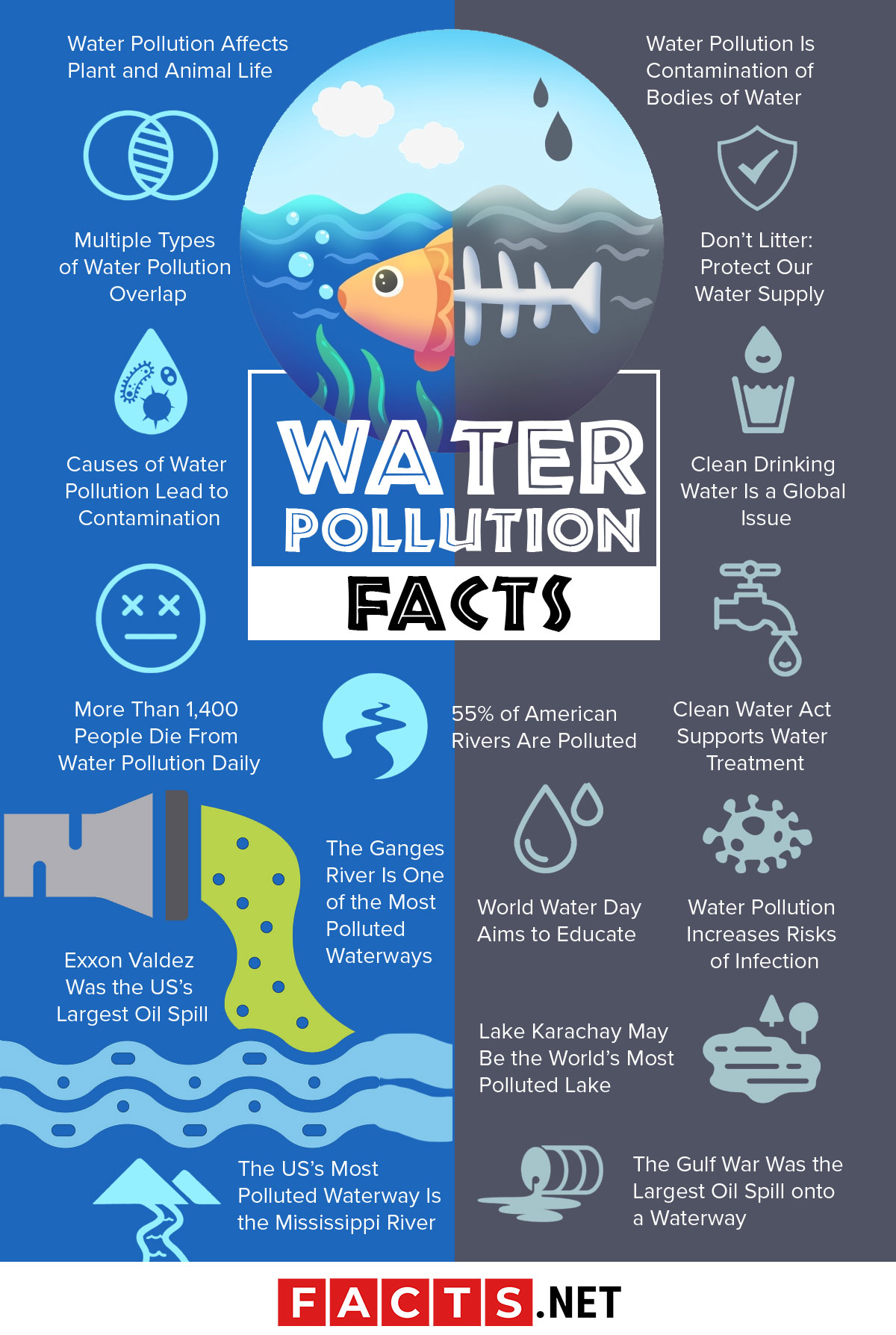
Water Pollution Facts Types Causes And Effects Of Water Pollution – Eroppa - Source eroppa.com
Question 2: What are the health effects associated with air pollution in Thailand?
Exposure to air pollution can have significant adverse effects on human health. In Thailand, air pollution is linked to increased respiratory and cardiovascular diseases, such as asthma, bronchitis, lung cancer, and heart disease. Additionally, it can exacerbate existing health conditions and affect cognitive function.
Question 3: What are the mitigation strategies being implemented to address air pollution in Thailand?
The Thai government and relevant agencies have adopted several measures to mitigate air pollution. These include promoting cleaner transportation systems, such as electric vehicles and public transportation, implementing stricter emission standards for vehicles and industries, and enforcing regulations on biomass burning and open burning.
Question 4: What role can individuals play in reducing air pollution in Thailand?
Individuals can contribute to reducing air pollution by adopting environmentally conscious practices, such as opting for public transportation, walking, or cycling instead of driving alone, conserving energy at home and in workplaces, and properly disposing of waste, particularly hazardous or flammable materials.
Question 5: What is the air quality in Thailand like compared to other countries?
Air quality in Thailand varies depending on the region and season. However, overall, air pollution levels in Thailand tend to be higher compared to many developed countries. According to the World Air Quality Report, Thailand consistently ranks among the top countries with poor air quality.
Question 6: What are the long-term implications of air pollution in Thailand?
Chronic exposure to air pollution can have severe long-term consequences for public health, the environment, and the economy. It can lead to increased healthcare costs, reduced productivity, and diminished quality of life. Additionally, air pollution contributes to climate change by releasing greenhouse gases, further exacerbating environmental challenges.
In conclusion, air pollution in Thailand remains a serious issue with significant impacts on health, the environment, and society. Addressing the root causes and implementing effective mitigation strategies is crucial. Collective efforts from the government, industries, and individuals are essential to improve air quality and safeguard public health.
Transition to the next article section...
Tips
Effective air quality management in Thailand requires comprehensive measures targeting various sources and implementing sustainable solutions. Here are some critical tips to mitigate air pollution and improve air quality:
Tip 1: Promote Sustainable Transportation
Encourage the use of public transportation, cycling, or walking instead of personal vehicles, especially during peak hours. Implement policies that support electric vehicles and alternative fuel sources to reduce transportation-related emissions.
Tip 2: Enhance Industrial Emission Control
Enforce stringent emission standards for industries and promote the adoption of cleaner production technologies. Implement monitoring systems and conduct regular inspections to ensure compliance. Encourage industries to invest in pollution control equipment and implement best practices.
Tip 3: Manage Agricultural Emissions
Promote sustainable agricultural practices, such as precision farming and the use of organic fertilizers, to reduce ammonia and nitrogen oxide emissions. Implement measures to control open burning and promote the use of alternative methods for waste disposal.
Tip 4: Protect Forest Resources
Preserve and expand forest areas as they act as natural carbon sinks. Implement reforestation programs and promote sustainable forest management practices to reduce deforestation and its associated emissions.
Tip 5: Promote Public Awareness and Education
Educate the public about the sources and health effects of air pollution. Encourage responsible behavior, such as reducing vehicle idling and using public transportation. Implement awareness campaigns to promote clean air practices.
Tip 6: Invest in Air Quality Monitoring and Research
Establish a comprehensive air quality monitoring network to accurately measure pollution levels and identify pollution hotspots. Support research and innovation to develop effective air pollution control technologies and strategies.
Tip 7: Strengthen Regional Cooperation
Collaborate with neighboring countries to address transboundary air pollution. Share best practices and coordinate efforts to reduce emissions and improve air quality on a regional scale.
Tip 8: Enforce Environmental Regulations
Strictly enforce existing environmental regulations and impose penalties for violations. Implement effective enforcement mechanisms to deter polluters and promote compliance with air quality standards.
Thailand Air Pollution: Causes, Health Effects, And Mitigation Strategies
Thailand Air Pollution: Causes, Health Effects, And Mitigation Strategies
Thailand, with its thriving cities and bustling industries, faces significant challenges in tackling air pollution. This multifaceted issue demands an exploration of critical aspects to effectively address its causes, health implications, and potential mitigation strategies.
- Industrial Emissions: Factories and power plants release pollutants such as sulfur dioxide and particulate matter.
- Vehicle Exhaust: Diesel engines and older vehicles contribute significantly to air pollution, especially in urban areas.
- Agricultural Practices: Burning of agricultural waste releases harmful gases, including nitrogen oxides.
- Health Hazards: Air pollution poses severe risks, leading to respiratory ailments, cardiovascular diseases, and even premature deaths.
- Government Policies: Stringent emission regulations and incentives for cleaner technologies are crucial for reducing pollution.
- Public Awareness: Educating the public about the causes and effects of air pollution promotes behavioral changes that support mitigation efforts.
These key aspects highlight the interconnectedness of Thailand's air pollution problem. Reducing industrial emissions requires collaboration between industries and policymakers, while addressing vehicle exhaust demands advancements in cleaner transportation systems. Combating agricultural practices requires sustainable alternatives and education among farmers. Addressing the health hazards calls for improved healthcare infrastructure and air quality monitoring systems. Effective government policies provide a supportive framework for reducing pollution, and public awareness empowers individuals to make informed choices that contribute to cleaner air.
Thailand Air Pollution: Causes, Health Effects, And Mitigation Strategies
Air pollution in Thailand poses significant threats to public health and the environment, stemming from a complex interplay of factors. Major contributors include vehicular emissions, industrial activities, biomass burning, and agricultural practices. These sources release pollutants such as particulate matter (PM), nitrogen oxides (NOx), and sulfur dioxide (SO2) into the atmosphere, which adversely affect human health and contribute to respiratory and cardiovascular diseases. Recognizing the urgency of this issue, Thailand has implemented various mitigation strategies, including promoting cleaner energy sources, enforcing stricter emission standards, and raising public awareness about the harmful effects of air pollution.
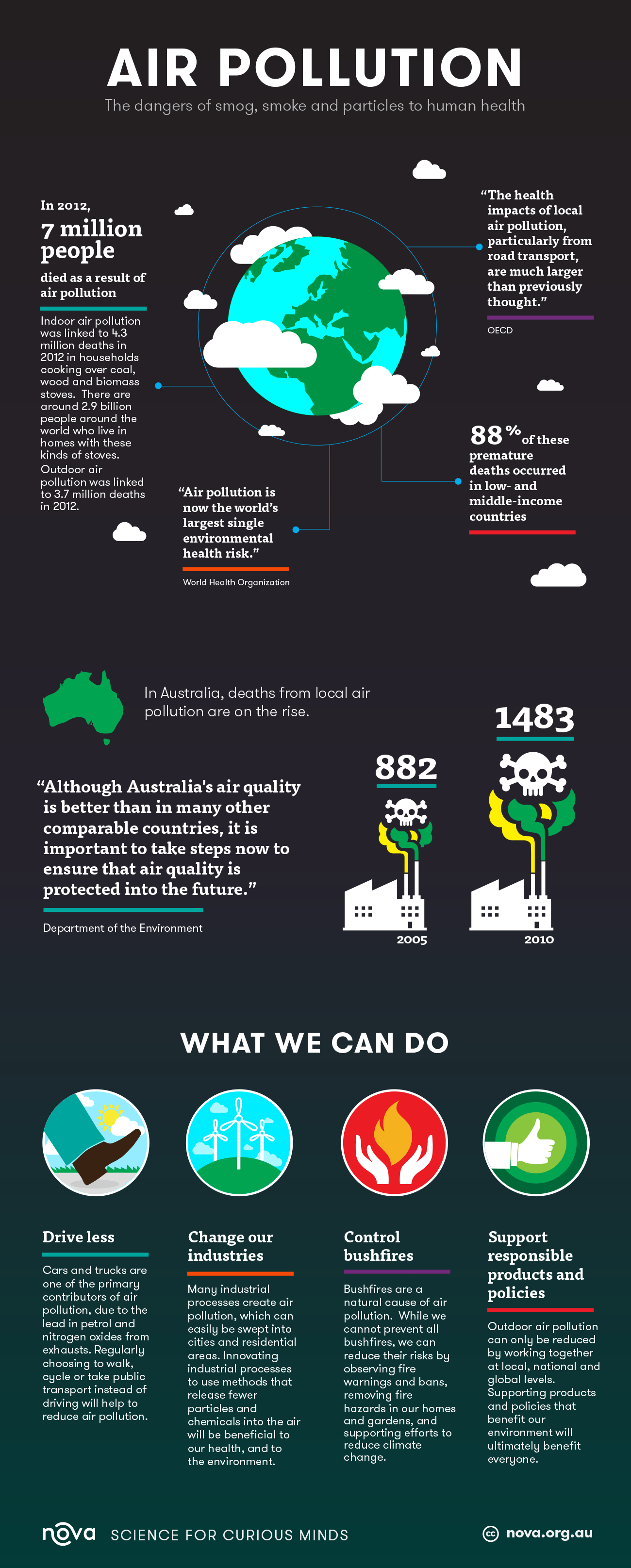
Causes Of Air Pollution - Source fity.club
Understanding the connection between air pollution causes, health effects, and mitigation strategies is crucial for formulating effective policies and interventions. This knowledge empowers policymakers, environmental agencies, and individuals to make informed decisions aimed at reducing air pollution and safeguarding public health. By adopting a holistic approach that addresses both the sources and consequences of air pollution, Thailand can strive towards a cleaner and healthier environment for its citizens.
The following table provides a detailed overview of the causes, health effects, and mitigation strategies associated with air pollution in Thailand:
| Cause | Health Effects | Mitigation Strategies |
|---|---|---|
| Vehicular Emissions | Respiratory problems, cardiovascular disease, cancer | Promote cleaner fuels, enforce stricter emission standards, improve public transportation |
| Industrial Activities | Airway inflammation, asthma, bronchitis | Enforce stricter emission standards, promote cleaner production technologies, improve waste management |
| Biomass Burning | Respiratory problems, eye irritation, skin disorders | Reduce open burning, promote sustainable agricultural practices, raise awareness about the harmful effects of biomass burning |
| Agricultural Practices | Respiratory problems, asthma, allergic reactions | Promote sustainable farming practices, reduce fertilizer and pesticide use, encourage organic farming |