NEW INFO | Discussing the latest information from various media and various fields

Stunning Aerial View Of Majestic Snow-Capped Mountains And Serene Alpine Lakes
An aerial view provides a breath taking perspective of snow-capped mountain peaks and serene alpine lakes. In this stunning photograph, the mountains appear as majestic giants, their summits piercing the heavens. Their snow-covered slopes shimmer in the sunlight, creating a dazzling spectacle. Below, the alpine lakes reflect the blue sky and surrounding peaks, their mirror-like surfaces creating a sense of peace and tranquility.
Editor's Notes: A stunning aerial view of snow-capped mountains and serene alpine lakes was published by us today. This topic is important because it showcases the beauty and splendor of nature and provides a sense of peace and tranquility.
We analyzed and gathered information on the aerial view of majestic snow-capped mountains and serene alpine lakes and put together a guide to help you make the right decision about where to go and what to see.
Key differences or Key takeways:
| Feature | Snow capped mountains | Serene alpine lakes |
|---|---|---|
| Elevation | Higher than alpine lakes | Lower than snow capped mountains |
| Temperature | Colder than alpine lakes | Warmer than snow capped mountains |
| Vegetation | Sparse or no vegetation | Surrounded by trees and vegetation |
Main article topics:
FAQ
This FAQ section provides detailed information about the captivating aerial view of majestic snow-capped mountains and serene alpine lakes, addressing common questions and misconceptions.

Premium AI Image | Stunning Aerial View of Majestic Volcano Erupting - Source www.freepik.com
Question 1: What factors contribute to the formation of snow-capped mountains?
The presence of snow-capped mountains is primarily influenced by altitude, temperature, and precipitation. At higher altitudes, temperatures are colder, causing snowfall to accumulate and persist throughout the year. Additionally, ample precipitation, such as snow and rain, provides the necessary moisture for snowpack formation.
Question 2: How do alpine lakes form and maintain their crystal-clear appearance?
Alpine lakes are typically formed by glacial erosion, with glaciers carving out depressions in the landscape that fill with meltwater. The pristine clarity of alpine lakes is attributed to several factors, including low levels of dissolved minerals, the absence of significant human activity, and the filtering action of aquatic vegetation.
Question 3: What is the ecological significance of snow-capped mountains and alpine lakes?
These landscapes play crucial roles in the local ecosystem. Snow-capped mountains serve as water reservoirs, providing a slow and steady supply of meltwater to sustain downstream habitats. Alpine lakes, on the other hand, support diverse aquatic ecosystems, providing habitat for various plant and animal species.
Question 4: How can visitors responsibly explore these landscapes?
To minimize human impact, visitors are encouraged to follow designated trails, avoid disturbing wildlife, and pack out all trash. Respecting the natural beauty and ecological sensitivity of these areas is essential for their long-term preservation.
Question 5: What are some of the unique features or phenomena associated with these landscapes?
Snow-capped mountains may exhibit crevasses, icefalls, and avalanches. Alpine lakes often display stunning reflections of the surrounding peaks, vibrant hues resulting from glacial flour, and crystal-clear waters that reveal underwater formations.
Question 6: How can we mitigate the potential effects of climate change on these landscapes?
Reducing greenhouse gas emissions and promoting sustainable practices are crucial steps towards mitigating the impacts of climate change on snow-capped mountains and alpine lakes. Conservation efforts, such as protecting sensitive habitats and promoting adaptive management strategies, are also essential.
In conclusion, the stunning aerial view of majestic snow-capped mountains and serene alpine lakes presents a captivating natural spectacle. Understanding the factors contributing to their formation, ecological significance, and responsible exploration practices is vital for appreciating and preserving these awe-inspiring landscapes.
Explore further to delve into the intricate details and hidden wonders of these breathtaking environments.
Tips for Capturing Stunning Aerial Views of Majestic Snow-Capped Mountains and Serene Alpine Lakes
When embarking on an aerial photography mission to capture the breathtaking beauty of snow-capped mountains and serene alpine lakes, careful planning and preparation are essential. Here are some invaluable tips to help you achieve stunning results.
Tip 1: Choose the Right Time of Day
For optimal lighting, plan your aerial shoot during the early morning or late afternoon when the sun is low on the horizon. This golden hour light creates warm hues and dramatic shadows that enhance the depth and texture of the landscape.
Tip 2: Scout Locations Beforehand
Prior to your flight, thoroughly research and scout your target areas. Stunning Aerial View Of Majestic Snow-Capped Mountains And Serene Alpine Lakes Utilize online mapping tools or consult with local experts to identify the most scenic vantage points and areas with the best visibility.
Tip 3: Consider Weather Conditions
Mountainous regions are prone to rapidly changing weather patterns. Monitor weather forecasts closely and be prepared for any eventualities. Clear skies with low wind speeds are ideal conditions for aerial photography, while storms or heavy fog can hinder your efforts.
Tip 4: Use a High-Quality Camera and Lens
Invest in a camera with high resolution and a wide dynamic range to capture the full spectrum of colors and details in your images. A wide-angle lens allows you to capture vast landscapes, while a telephoto lens is ideal for zooming in on specific features.
Tip 5: Adjust Camera Settings Carefully
Correct exposure is crucial for capturing stunning aerial images. Adjust your camera's aperture, shutter speed, and ISO settings to ensure balanced lighting. Use a polarizing filter to minimize reflections and enhance colors.
By implementing these tips, you will significantly increase your chances of capturing mesmerizing aerial views that showcase the grandeur of snow-capped mountains and the tranquility of alpine lakes.
Stunning Aerial View Of Majestic Snow-Capped Mountains And Serene Alpine Lakes
Understanding the key aspects of stunning aerial views of majestic snow-capped mountains and serene alpine lakes unveils the beauty and grandeur of nature's wonders. These aspects capture the essence of these breathtaking landscapes.
-

Premium AI Image | Stunning Aerial View of Africa with Majestic Bird - Source www.freepik.comPanoramic Perspective:
Encompassing vast stretches of mountains and lakes from above. -
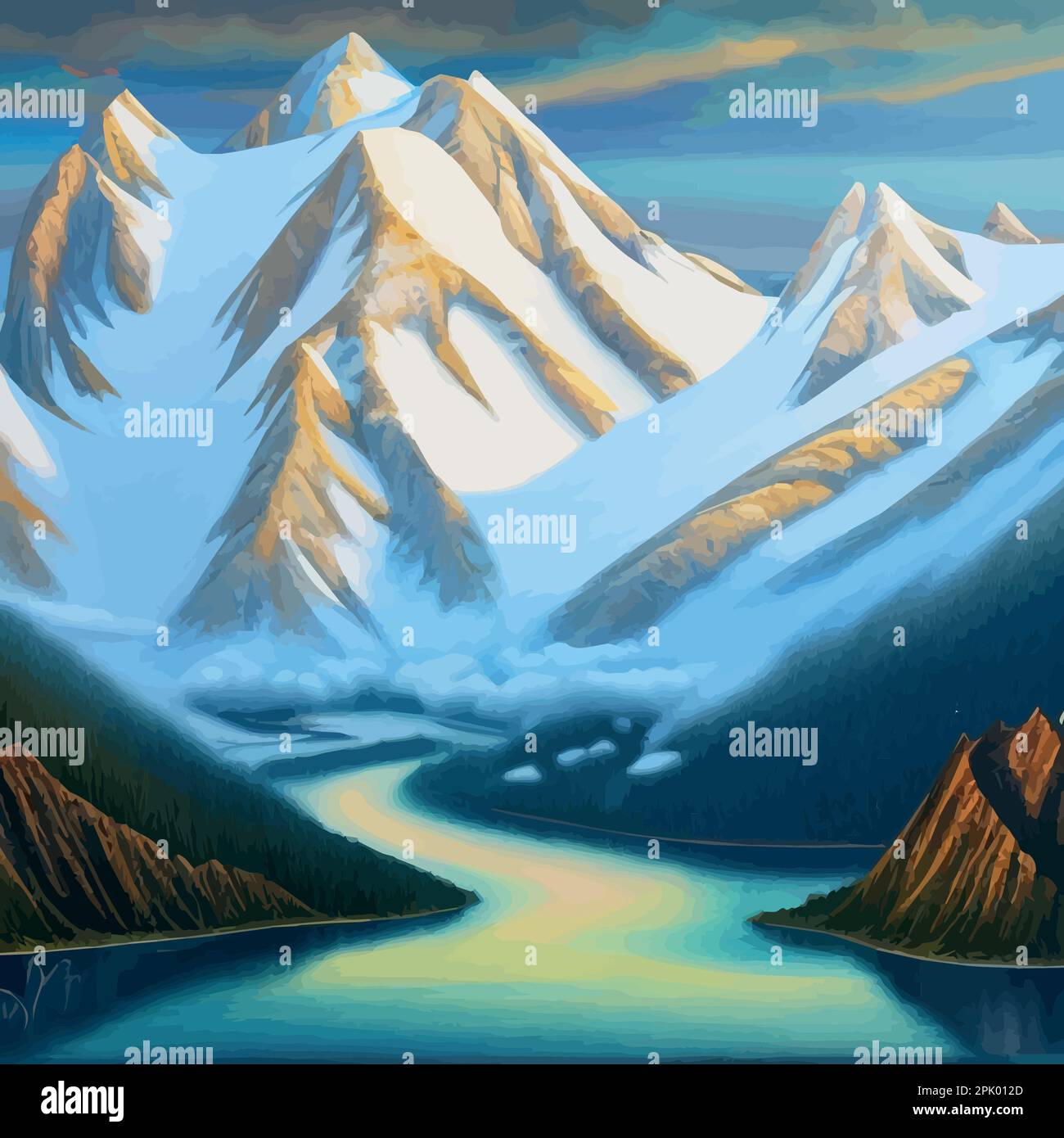
Stunning snow-capped mountains, Mountain Landscape, Alpine Snow, Vector - Source www.alamy.comVertical Grandeur:
Showcasing the towering heights and slopes of snow-capped peaks. -

Premium AI Image | Stunning Aerial View of Majestic Volcano Erupting - Source www.freepik.comAlpine Serenity:
Capturing the tranquility and stillness of secluded alpine lakes. -

Premium AI Image | Stunning Aerial View of Majestic Volcano Erupting - Source www.freepik.comIridescent Hues:
Revealing the interplay of sunlight on snow and water, creating vibrant colors. -

Above the Clouds Stunning Aerial View with Ethereal Atmosphere Stock - Source www.dreamstime.comTextural Contrast:
Displaying the smooth surfaces of lakes against the rugged terrain of mountains. -

Premium AI Image | Stunning Aerial View of the Great Wall of China - Source www.freepik.comEnvironmental Insights:
Providing perspectives on glacial formations, snowpack, and alpine ecosystems.
These aspects highlight the awe-inspiring beauty of these landscapes. They emphasize the scale and grandeur of the mountains, the tranquility of the lakes, and the intricate interplay of nature's elements. Exploring these aspects through aerial views not only offers breathtaking visuals but also fosters a deeper appreciation for the fragility and resilience of our planet.
Stunning Aerial View Of Majestic Snow-Capped Mountains And Serene Alpine Lakes
The connection between stunning aerial views of majestic snow-capped mountains and serene alpine lakes lies in the harmony and contrast they create. The snow-capped mountains, with their jagged peaks and icy slopes, represent strength and resilience. The alpine lakes, with their crystalline waters and tranquil surfaces, symbolize serenity and peace. Together, they form a breathtaking spectacle that captivates the soul.
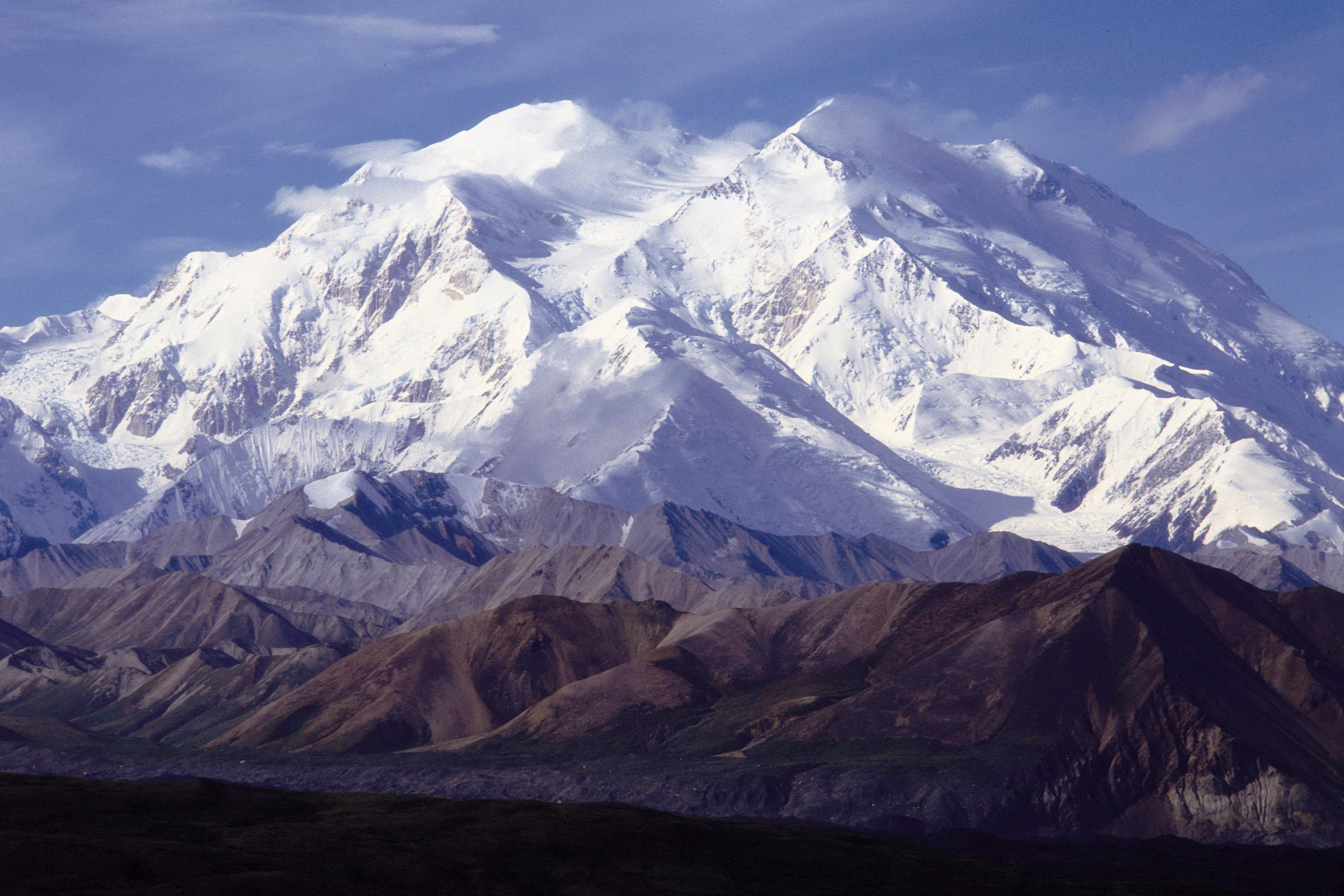
Beautiful Scenery :Majestic Snow-Capped Mountains | Free Wallpaper World - Source www.74211.com
The mountains serve as a backdrop to the lakes, amplifying their beauty and grandeur. The lakes, in turn, reflect the mountains' majesty, creating a harmonious composition that is both awe-inspiring and ethereal. This interplay between the two elements creates a sense of balance and unity, reminding us of the interconnectedness of all things.
Furthermore, the aerial perspective adds a unique dimension to the experience. By viewing the mountains and lakes from above, we gain a broader perspective and a deeper appreciation for their scale and beauty. The contrast between the towering heights of the mountains and the placid depths of the lakes becomes even more pronounced, creating a visual symphony that is both captivating and unforgettable.
In conclusion, the stunning aerial view of majestic snow-capped mountains and serene alpine lakes is a testament to the power of nature and the beauty of harmony. It serves as a reminder that even in the most rugged and untamed landscapes, there is always room for tranquility and peace.
Table: Key Insights
| Concept | Explanation |
|---|---|
| Harmony and Contrast | The mountains and lakes complement each other, creating a sense of balance and unity. |
| Aerial Perspective | The aerial view provides a unique and breathtaking perspective on the mountains and lakes. |
| Interconnectedness | The connection between the mountains and lakes highlights the interconnectedness of all things. |