NEW INFO | Discussing the latest information from various media and various fields

Leaders In Governance: The Prime Minister's Role In Shaping Policy And Progress
How does Leaders In Governance: The Prime Minister's Role In Shaping Policy And Progress? Leaders In Governance: The Prime Minister's Role In Shaping Policy And Progress is a new report that examines the role of the Prime Minister in shaping policy and progress.
Editor's Notes: Leaders In Governance: The Prime Minister's Role In Shaping Policy And Progress have published today date. The growing importance of understanding this given today's political climate.
We understand that keeping up with the latest Leaders In Governance: The Prime Minister's Role In Shaping Policy And Progress can be a challenge. That's why we've done the hard work for you.
FAQs
This comprehensive guide contains frequently asked questions (FAQs) to help you gain a deeper understanding of the prime minister's role in shaping policy and progress.
Unlock your potential with NAVTTC's Prime Minister's Youth Skill - Source www.facebook.com

Question 1: What are the primary responsibilities of a prime minister?
The prime minister holds the highest executive office in a parliamentary system of government. The key responsibilities include:
- Leading the government and setting its overall policy agenda.
- Appointing and dismissing cabinet ministers.
- Advising the head of state (e.g., the monarch or president).
- Representing the country on the international stage.
Question 2: How does a prime minister's political ideology influence policymaking?
A prime minister's political ideology shapes their approach to policymaking and the issues they prioritize. For instance, a prime minister with a conservative ideology may emphasize free markets and limited government intervention, whereas a prime minister with a social democratic ideology may prioritize social welfare and equality.
Question 3: What are the different ways a prime minister can implement policy?
Prime ministers can implement policy through a variety of means, including:
- Proposing legislation to parliament.
- Issuing executive orders or directives.
- Working with government agencies to carry out policies.
- Engaging with stakeholders and interest groups.
Question 4: How does the prime minister interact with other branches of government?
In a parliamentary system, the prime minister typically works closely with the legislature, which has the power to approve or reject policies. The prime minister may also interact with the judiciary to ensure that laws are implemented fairly and consistently.
Question 5: What challenges can a prime minister face in their role?
Prime ministers may encounter various challenges, such as:
- Balancing the interests of different stakeholders.
- Navigating complex political and economic issues.
- Maintaining public trust and support.
- Responding to unexpected events or crises.
Question 6: How does the role of a prime minister differ across countries?
The specific powers and responsibilities of a prime minister may vary depending on the country's constitutional framework and political system.
In conclusion, the role of a prime minister is multifaceted and plays a pivotal role in shaping policy and progress. Understanding the prime minister's responsibilities, political ideology, and methods of implementing policy is crucial for comprehending the governance dynamics of a parliamentary system.
Transition: For further insights into the multifaceted role of the prime minister and its implications for governance and policymaking, continue exploring our comprehensive guide.
Tips
Effective leadership is crucial for successful governance, especially for Prime Ministers who play a pivotal role in shaping policy and progress. Leaders In Governance: The Prime Minister's Role In Shaping Policy And Progress offers valuable insights and strategies for Prime Ministers to excel in their leadership. Here are some of those key tips:
Tip 1: Establish a Clear Vision and Communicate It Effectively
A clear vision provides direction and purpose for the government and its policies. The Prime Minister should articulate this vision concisely and communicate it effectively to the public, officials, and stakeholders. A well-defined vision fosters alignment, motivation, and support for the government's agenda.
Tip 2: Foster Collaboration and Inclusivity
Effective governance requires engaging a diverse range of perspectives and expertise. The Prime Minister should promote collaboration within the government and seek input from external stakeholders. Inclusivity ensures that policies are informed by diverse viewpoints, leading to more balanced and representative outcomes.
Leaders In Governance: The Prime Minister's Role In Shaping Policy And Progress
The Prime Minister, as the head of government, plays a pivotal role in shaping the direction of the country through policy formulation and implementation.
- Agenda Setting: Establishing priorities and issues for government action.
- Policy Formulation: Developing and proposing policies to address national challenges.
- Resource Allocation: Determining the distribution of resources to support policy initiatives.
- Stakeholder Engagement: Consulting with individuals, groups, and organizations affected by policy decisions.
- Progress Monitoring: Assessing the effectiveness of implemented policies and adjusting strategies as needed.
- International Relations: Representing the country in international forums and shaping foreign policy direction.
Effective Prime Ministers balance the demands of various stakeholders, navigate complex political landscapes, and possess strong leadership skills to drive progress and achieve national goals. Their decisions impact the well-being of citizens, the economy, and the overall direction of the country.
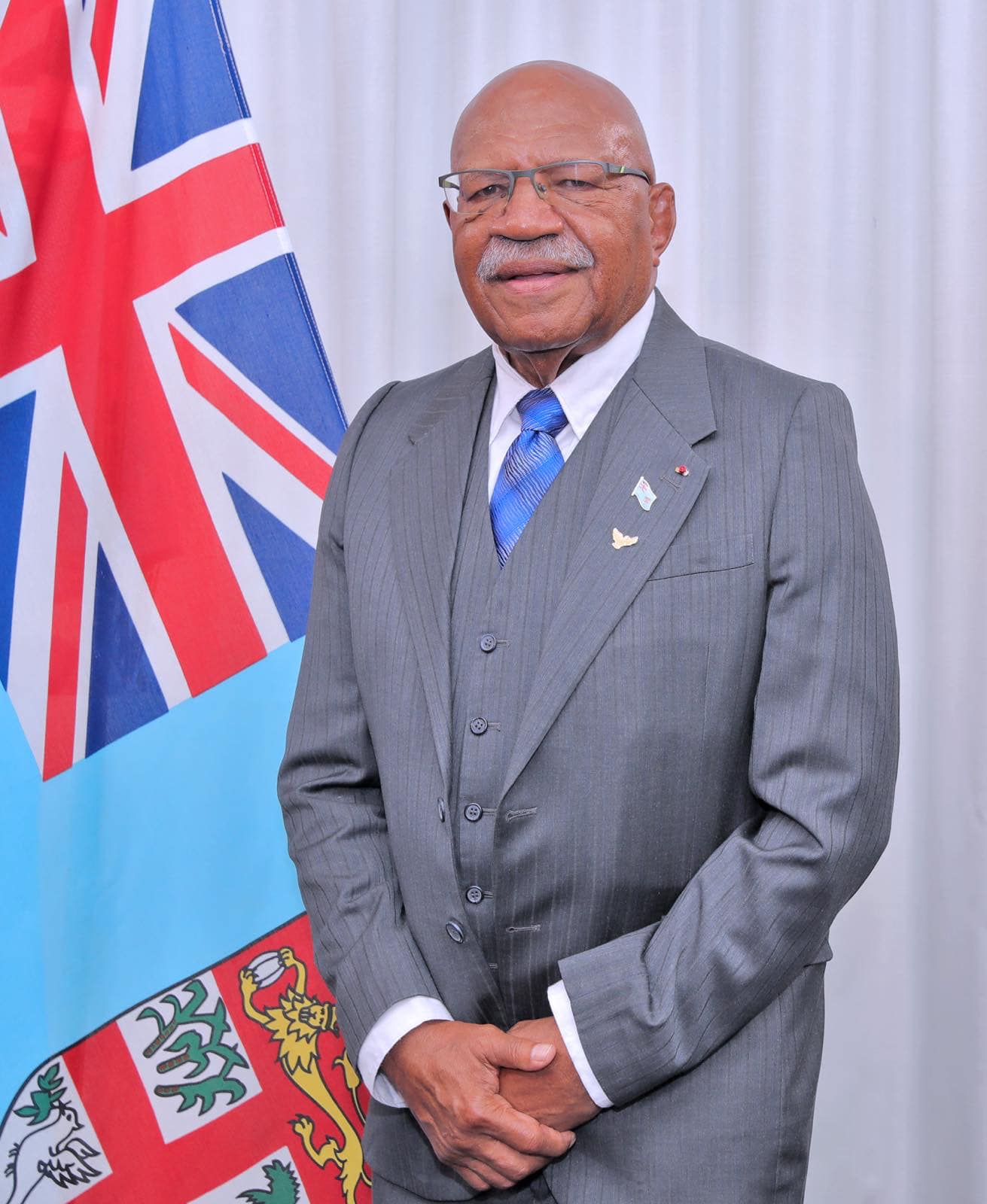
Our Prime Minister Continues to Receive Congratulatory Messages from - Source www.pmoffice.gov.fj
Leaders In Governance: The Prime Minister's Role In Shaping Policy And Progress
Leaders in Governance" examines the crucial role of the Prime Minister in shaping government policy and driving progress. The Prime Minister holds the highest executive authority, making decisions that significantly impact the nation's direction and well-being.
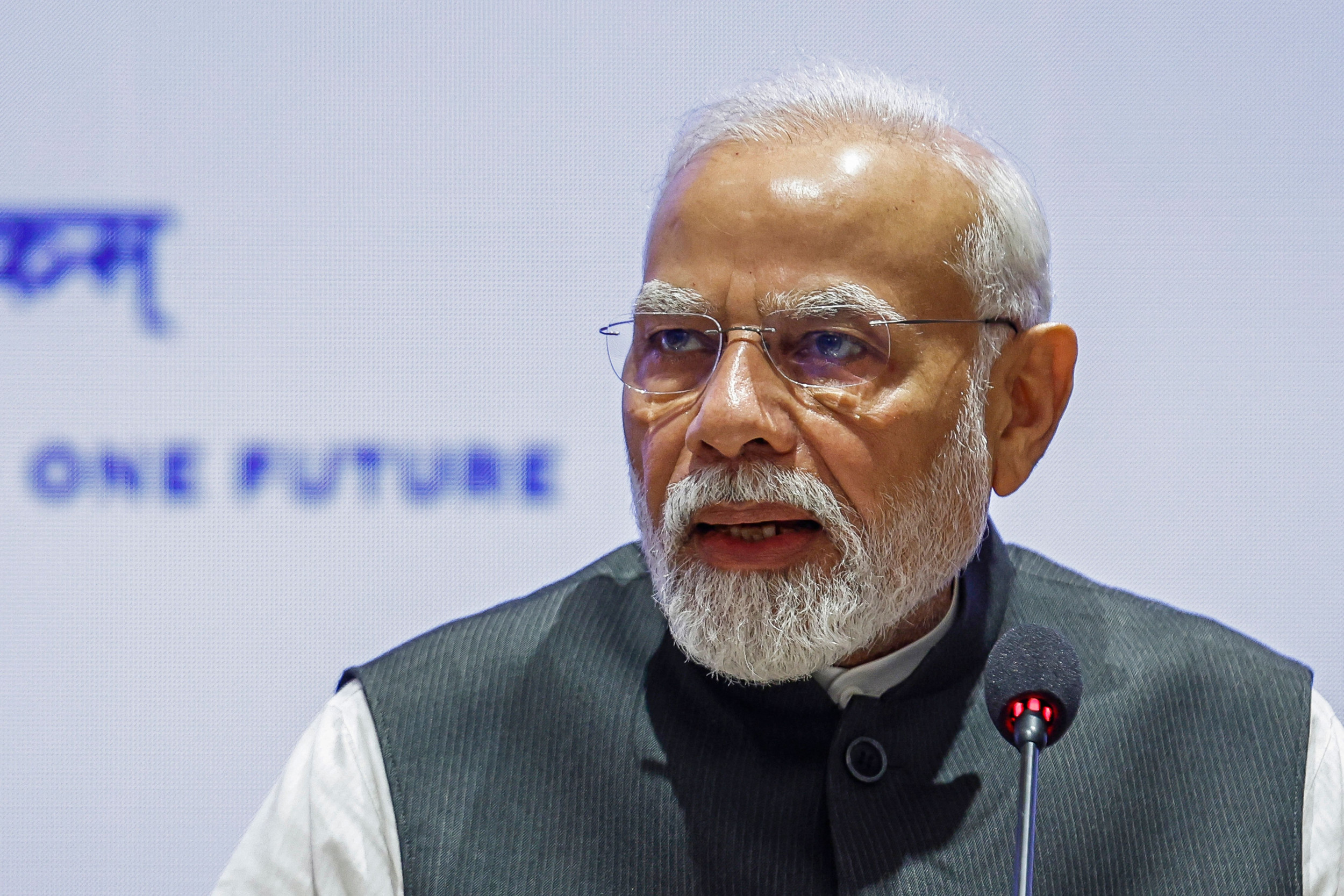
India Prime Minister Celebrates New Countries Shaping 'Global Narrative - Source www.newsweek.com
The Prime Minister's influence extends beyond policy formulation. They set the overall tone and priorities of the government, establish the agenda for parliamentary debates, and represent the nation on the international stage. Their ability to balance competing interests, negotiate compromises, and build consensus is vital for effective governance.
The Prime Minister's role in progress is equally important. By initiating and implementing policies that address societal challenges, they can drive economic growth, improve infrastructure, enhance education, and promote social justice. The Prime Minister's vision and leadership can inspire the nation to strive for a better future.
To effectively fulfill their role, Prime Ministers must possess a combination of political acumen, strategic thinking, and communication skills. They must be able to connect with the public, build support for their policies, and navigate the complexities of the political landscape. Their ability to make bold decisions and take calculated risks can shape the course of history.
Conclusion
The Prime Minister's role in governance is indispensable. As the nation's chief executive, they set the course for policy, drive progress, and represent the country on the world stage. Their ability to navigate complex political dynamics and inspire the nation is crucial for effective leadership.
The challenges facing Prime Ministers are immense. From economic inequality to climate change, they must address complex issues that affect the lives of millions. Their decisions can have far-reaching consequences, shaping the future of the nation and the world.