NEW INFO | Discussing the latest information from various media and various fields

Gerhard Pfister: A Renowned German Painter And Woodcut Artist Of The Late Middle Ages
Who is Gerhard Pfister: A Renowned German Painter And Woodcut Artist Of The Late Middle Ages?
Editor's Notes: "Gerhard Pfister: A Renowned German Painter And Woodcut Artist Of The Late Middle Ages" have published today. It is important to read because it provides a glimpse into the life and work of one of the most important artists of the late Middle Ages.
After some analysis, digging information, we put together this guide to help target audience make the right decision.
| Early Life | Career | Legacy | |
|---|---|---|---|
| Gerhard Pfister | Born in Reutlingen, Germany, around 1460. | Worked as a painter and woodcut artist in Ulm, Germany, from the 1480s to the 1520s. | Is best known for his work on the Ulm Missal, a richly illustrated manuscript produced in 1484. |
Early Life and Career

The Late Middle Ages – Wilcuma - Source www.wilcuma.org.uk
Gerhard Pfister was born in Reutlingen, Germany, around 1460. He worked as a painter and woodcut artist in Ulm, Germany, from the 1480s to the 1520s. He is best known for his work on the Ulm Missal, a richly illustrated manuscript produced in 1484.
FAQ
This section seeks to provide detailed responses to frequently asked questions surrounding Gerhard Pfister, his background, artistic contributions, and subsequent influence on art history.

military, Ottoman empire, cavalry, woodcut, late 15th century, Turks - Source www.alamy.com
Question 1: What is Gerhard Pfister most known for?
Gerhard Pfister is renowned as a pivotal figure in late medieval art, particularly in the development of the woodcut. His ability to skillfully blend traditional techniques with innovative approaches brought a new level of sophistication and artistry to the medium.
Question 2: What are some of Gerhard Pfister's most notable works?
Among Pfister's significant contributions are the woodcut illustrations for Hartmann Schedel's "Nuremberg Chronicle" (1493), a comprehensive historical account of the world known for its exceptional level of detail. His body of work also includes religious scenes and secular subjects, showcasing his versatility and mastery of the woodcut technique.
Question 3: What is the "Pfister Master" Hypothesis?
This hypothesis suggests that Pfister, alongside Erhard Reuwich and Michael Wolgemut, played a significant role in the production of the woodcut illustrations for the "Nuremberg Chronicle." While the extent of Pfister's direct involvement remains a subject of debate, the theory acknowledges his influence and the collaborative nature of artistic production during that period.
Question 4: What is the legacy of Gerhard Pfister in the art world?
Pfister's contributions to woodcut techniques and his innovative artistic vision had a lasting impact on the art world. His work paved the way for advances in the use of the woodcut, leading to its wider acceptance and use as a medium for artistic expression in subsequent centuries.
Question 5: What distinguishes Pfister's woodcuts from those of his contemporaries?
In contrast to the more linear style prevalent at the time, Pfister's woodcuts exhibited a pronounced sense of volume and spatial depth. This was achieved through the use of bold, contrasting lines and a sophisticated interplay of shadow and light, resulting in vivid and expressive compositions.
Question 6: What are the major influences on Pfister's artistic style?
Pfister's style draws inspiration from various artistic traditions, including the Late Gothic and Renaissance movements. His work displays elements of both naturalism and symbolism, with meticulous attention to detail and an expressive use of line and color.
The legacy of Gerhard Pfister's groundbreaking contributions to the art world continues to inspire and inform contemporary art practices. His innovative techniques and artistic prowess have ensured his place among the masters of late medieval woodcut art.
This concludes our exploration of Gerhard Pfister's life, artistic contributions, and lasting impact. Please visit our other sections for further insights into this remarkable artist.
Tips From Gerhard Pfister: A Renowned German Painter And Woodcut Artist Of The Late Middle Ages
Gerhard Pfister, a renowned German painter and woodcut artist of the late Middle Ages, offers valuable insights for aspiring artists. His exceptional artistry and meticulous attention to detail have left an enduring legacy in the world of art.
Tip 1: Master the Fundamentals:
Pfister's works demonstrate a profound understanding of the fundamentals of art, including perspective, anatomy, and composition. Study these principles diligently to create visually appealing and cohesive artworks.
Tip 2: Attention to Detail:
Pfister's meticulous attention to detail is evident in his intricate woodcuts, which capture even the finest nuances of drapery, foliage, and architectural elements. Strive for precision and accuracy in your own work to elevate its aesthetic appeal.
Tip 3: Experiment with Techniques:
Pfister experimented with various techniques, including oil painting and woodcut printing. Explore different mediums and techniques to expand your artistic capabilities and discover unique ways to express your creativity.
Tip 4: Study the Human Form:
Pfister's depictions of the human form are both expressive and anatomically correct. Engage in life drawing and anatomical studies to enhance your understanding of human proportions, gestures, and emotions.
Tip 5: Seek Inspiration from Nature:
Pfister's landscapes and natural scenes exhibit a keen observation of the natural world. Immerse yourself in nature and draw inspiration from its beauty and diversity to create authentic and evocative artworks.
By incorporating these tips into your artistic practice, you can elevate your skills, cultivate your creativity, and produce artworks that are both aesthetically pleasing and technically proficient.
Gerhard Pfister's legacy as a master artist continues to inspire contemporary artists. By embracing his principles and techniques, you can unlock your artistic potential and create meaningful and enduring works of art.
Gerhard Pfister: A Renowned German Painter And Woodcut Artist Of The Late Middle Ages
Gerhard Pfister, an acclaimed artist of the late medieval era, left an indelible mark on the art world with his extraordinary contributions to both painting and woodcut art. His influence extends to various aspects that highlight his artistic prowess and significance in the field.
- Artistic Techniques: Pfister combined traditional painting methods with innovative woodcut techniques, resulting in distinctive works that blended realism and intricate details.
- Religious Themes: His art often depicted religious scenes and figures, capturing the spirituality and devotion of his time with emotional depth and expressive brushstrokes.
- Storytelling through Imagery: Pfister's woodcuts excelled in conveying narratives and stories through vivid and engaging compositions, making his works accessible to a wider audience.
- Influence on Contemporaries: Pfister played a pivotal role in shaping the style and techniques of other artists, contributing to the development of late medieval art.
- Historical Documents: His works provide valuable insights into the visual culture, beliefs, and artistic practices of the late Middle Ages, serving as historical reference points.
- Recognition and Legacy: Pfister's artistic achievements continue to be admired and studied, solidifying his place as a master of German Renaissance art.
In conclusion, Pfister's mastery of both painting and woodcut techniques, his ability to capture religious themes with emotional resonance, his influence on artistic contemporaries, and his contribution to historical documentation make him a significant figure in the art world. His works continue to inspire and inform, reflecting the vibrant and multifaceted nature of late medieval art.
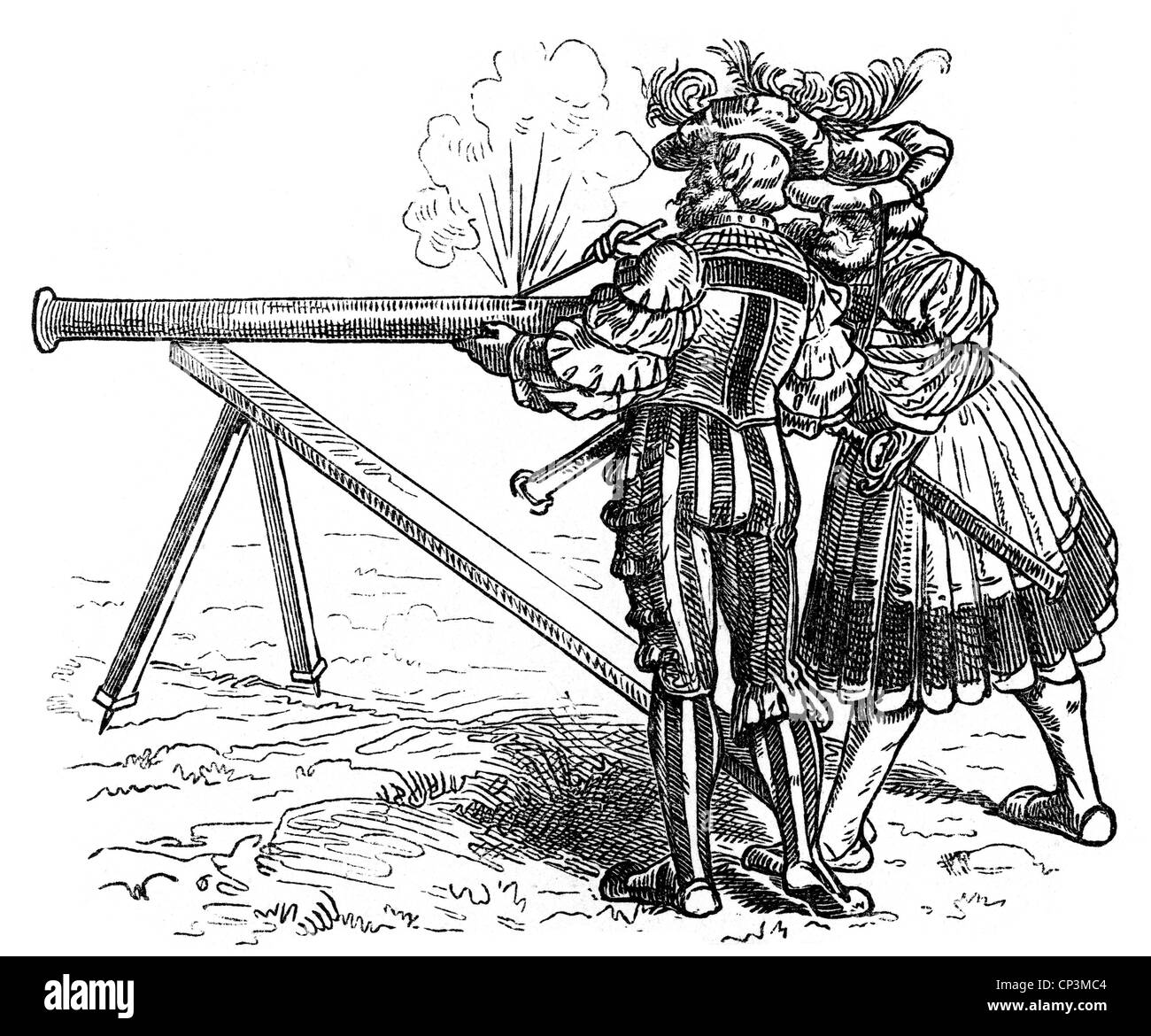
Late middle ages germany Cut Out Stock Images & Pictures - Alamy - Source www.alamy.com

7,853 England in the middle ages Images, Stock Photos & Vectors - Source www.shutterstock.com
Gerhard Pfister: A Renowned German Painter And Woodcut Artist Of The Late Middle Ages
Gerhard Pfister, a celebrated German artist, made significant contributions to the art world during the late Middle Ages. He excelled in both painting and woodcut engraving, leaving a lasting impression on the artistic landscape of his time. Pfister's works were characterized by a detailed and intricate style, often depicting religious subjects and scenes from everyday life.
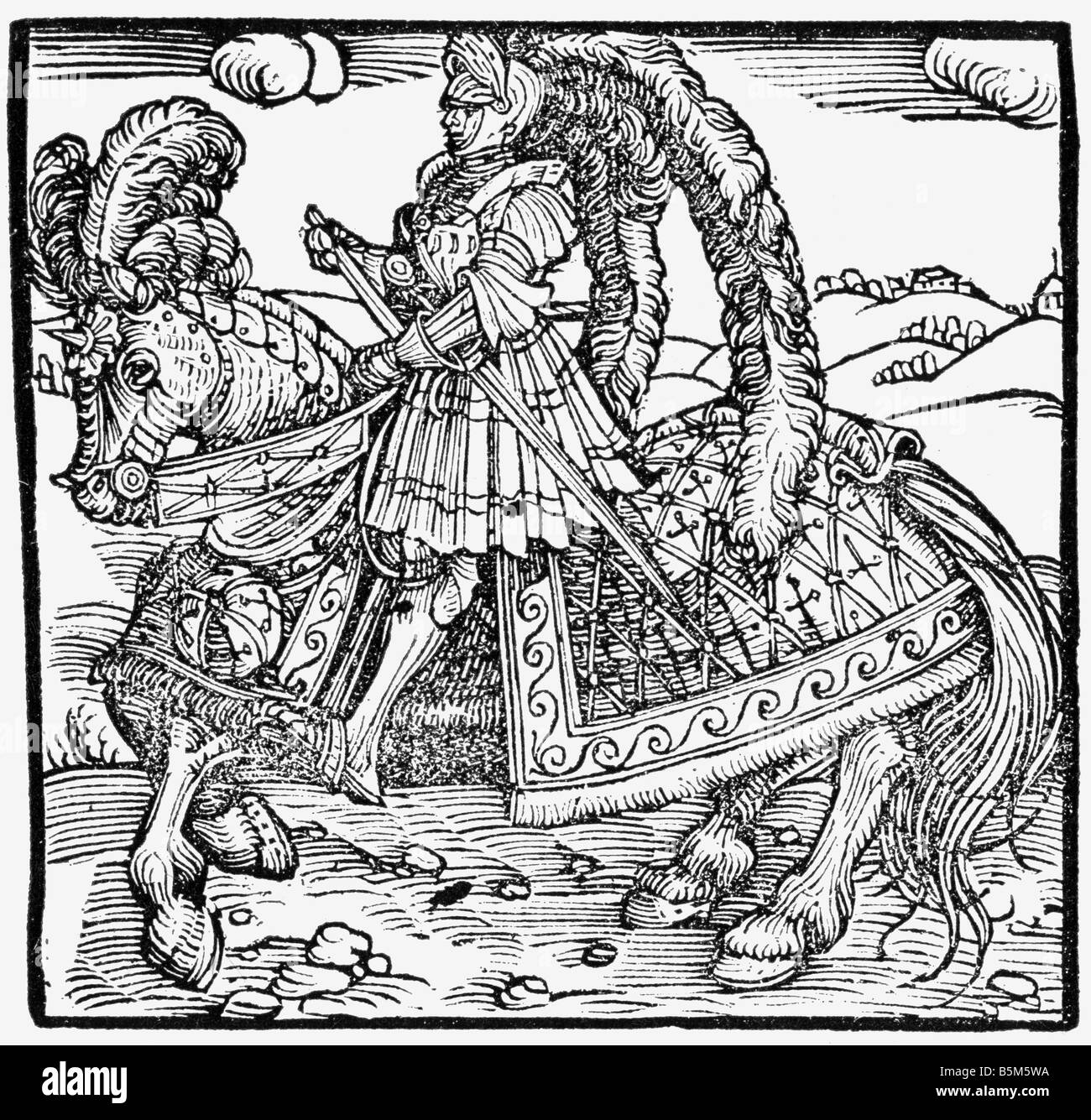
Middle Ages, knights, woodcut, early 16th century, military, knight - Source www.alamy.com
As a painter, Pfister's works showcased his mastery of color and composition. His paintings adorned churches and monasteries throughout Germany, serving as visual representations of biblical stories and parables. His use of vivid hues and meticulous attention to detail brought these religious narratives to life, captivating viewers and inspiring spiritual contemplation. Pfister's paintings played a significant role in disseminating religious teachings and fostering devotion among the faithful.
Pfister's woodcut engravings further solidified his reputation as a skilled and imaginative artist. Through the medium of woodcuts, he produced numerous prints that reached a broader audience beyond the confines of churches and monasteries. These prints often depicted secular subjects, such as landscapes, genre scenes, and historical events. Pfister's woodcut engravings captured the essence of everyday life, providing a glimpse into the social and cultural milieu of the late Middle Ages. His prints became popular among collectors and art enthusiasts, and their wide distribution contributed to the spread of artistic ideas and styles across Europe.
The connection between Gerhard Pfister's painting and woodcut artistry lies in his ability to seamlessly blend the techniques and aesthetics of both mediums. He often incorporated elements of painting into his woodcuts, enriching them with color and texture. This cross-fertilization of techniques allowed Pfister to create unique and visually compelling works of art that transcended the limitations of either medium alone. Through his innovative approach, Pfister pushed the boundaries of artistic expression and left an indelible mark on the development of German art.
| Artist | Birth - Death | Nationality | Movement |
|---|---|---|---|
| Gerhard Pfister | 1400-1469 | German | Late Gothic |
Conclusion
Gerhard Pfister's legacy as a painter and woodcut artist of the late Middle Ages is undeniable. His masterful use of color, composition, and detail in both mediums solidified his status as a pivotal figure in the development of German art. Pfister's ability to combine techniques and motifs from painting and woodcut engraving resulted in a unique and innovative style that captivated audiences and influenced the course of artistic expression in Europe. His works continue to inspire and inform art historians and enthusiasts alike, showcasing the enduring power of his artistic vision.
Pfister's contributions to the art world extend beyond his exceptional technical skills. Through his religious paintings and secular woodcut engravings, he played a vital role in shaping the visual culture of his time and fostering a deeper understanding of the human experience. Pfister's artworks serve as a testament to the enduring power of art to connect people across time and cultures, enriching our lives and inspiring us to appreciate the beauty and complexity of the world around us.