NEW INFO | Discussing the latest information from various media and various fields

Flixbus Crash: Tragic Accident Highlights Safety Concerns In Long-Distance Travel
An accident involving a Flixbus vehicle highlights the need for ensuring safety in long-distance travel. The incident has raised concerns about the measures in place to prevent such tragedies and has prompted authorities to review regulations.
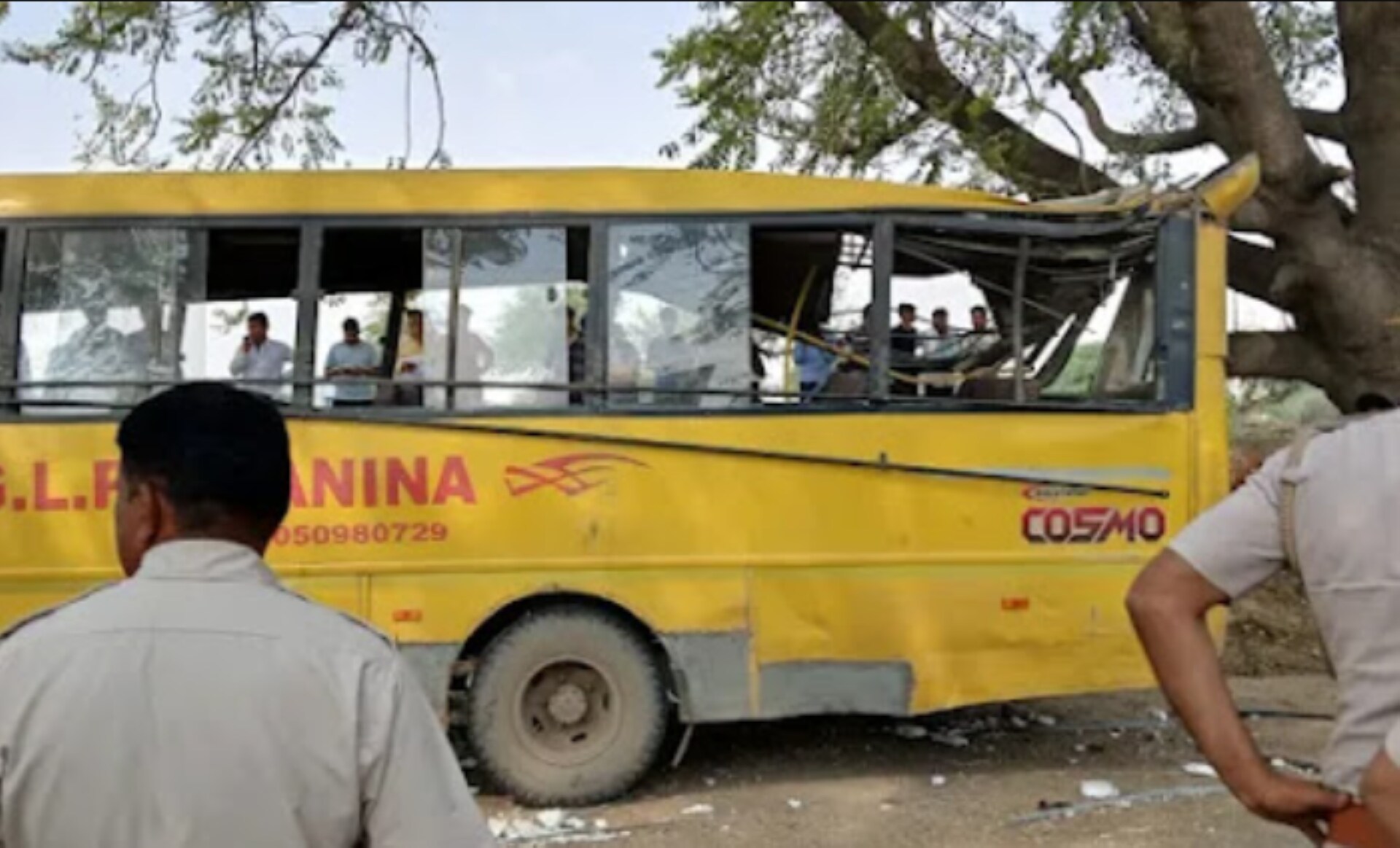
Haryana Reexamines School Transport Safety After Tragic Accident - Source en.theharyanastory.com
Editor's Note: The discussion around "Flixbus Crash: Tragic Accident Highlights Safety Concerns In Long-Distance Travel" has gained prominence following the recent incident. To provide our readers with comprehensive insights, we have analyzed the situation, gathered information, and compiled this guide. This article aims to shed light on the importance of safety in long-distance travel and the steps that can be taken to improve it.
Our team has dedicated efforts to understanding the nuances of long-distance travel safety. By delving into the details surrounding the Flixbus incident, we have gained insights that we believe will be valuable to our readers. This guide explores the key takeaways from the accident and provides practical recommendations for travelers.
To make the information easily digestible, we have organized the key differences and takeaways in a table format:
| Aspect | Before the Accident | After the Accident |
|---|---|---|
| Safety Regulations | Existing regulations may not have been sufficient to prevent the accident. | Authorities are reviewing and considering stricter safety measures. |
| Vehicle Maintenance | Maintenance protocols may not have been followed adequately. | Increased emphasis on regular vehicle inspections and maintenance. |
| Driver Training | Driver training may not have covered all necessary safety protocols. | Enhanced training programs for drivers to improve their skills and awareness. |
These key differences underscore the need for a comprehensive approach to improving safety in long-distance travel. Let's delve into the main article topics to explore the details further.
FAQs
Following the tragic Flixbus crash, multiple inquiries have emerged regarding the safety of long-distance travel by bus. This FAQ section aims to address some common concerns and clarify pertinent aspects of bus travel.
Question 1: Are buses as safe as other modes of transportation, like trains or airplanes?
While most bus companies prioritize safety, buses are generally regarded as less secure compared to airplanes or trains due to factors such as road conditions, traffic volume, and vehicle stability.
Question 2: What are the major safety risks associated with long-distance bus travel?
Fatigue-related incidents, driver errors, and adverse weather conditions pose significant safety risks during extended bus trips.
Question 3: What can bus companies do to enhance safety?
Bus companies must rigorously adhere to maintenance schedules, implement driver training programs, and equip vehicles with advanced safety features to mitigate risks.
Question 4: What measures can passengers take to ensure their safety?
Passengers can contribute to their safety by choosing reputable bus companies, being mindful of their surroundings, wearing seatbelts, and limiting alcohol consumption.
Question 5: What should passengers do in the event of a bus accident?
If involved in a bus crash, passengers should remain calm, assess their situation, alert emergency services, and provide assistance to others where possible.
Question 6: How can technology aid in improving bus safety?
Advances in technology, like collision avoidance systems, electronic stability control, and driver monitoring devices, have the potential to bolster bus safety.
In conclusion, while buses can offer affordable and convenient transportation, they may present safety concerns that require attention from bus companies, passengers, and policymakers alike. By addressing these issues and implementing comprehensive safety measures, we can strive to make long-distance bus travel safer and more reliable.
Related Topic: Importance of Bus Maintenance in Safe Long-Distance Travel.
Tips
The tragic accident involving a Flixbus in France has brought the safety of long-distance travel into sharp focus. Here are some precautionary measures to ensure a safe journey when traveling long distances.
Research the bus company and its safety record thoroughly. Look for reviews and ratings from previous passengers. Check for certifications and compliance with safety standards.
Tip 2: Choose Reputable Carriers
Opt for well-established bus companies with a proven track record of safety. Avoid fly-by-night operators or those with a history of accidents or complaints.
Tip 3: Read and Comprehend Safety Regulations
Familiarize yourself with the bus company's safety regulations, including emergency procedures and evacuation plans. Pay attention to safety briefings provided by the driver.
Tip 4: Choose a Bus with Modern Safety Features
Select a bus equipped with modern safety technologies such as seat belts, anti-lock braking systems (ABS), and electronic stability control (ESC). These features enhance vehicle stability and reduce the risk of accidents.
Tip 5: Practice Precautionary Measures
Always wear a seat belt and avoid traveling during peak hours or inclement weather when visibility is limited. Stay alert and aware of your surroundings.
By following these tips, you can mitigate risks and increase the likelihood of a safe long-distance journey. Remember, safety should be paramount when planning any travel.
Flixbus Crash: Tragic Accident Highlights Safety Concerns In Long-Distance Travel highlights the importance of prioritizing safety when traveling long distances. By adhering to these guidelines, you can ensure a more secure and comfortable experience.
Flixbus Crash: Tragic Accident Highlights Safety Concerns In Long-Distance Travel
The recent Flixbus crash serves as a stark reminder of the potential safety hazards associated with long-distance travel. Understanding the key aspects of this tragedy is crucial for addressing and improving safety measures.
- Driver Fatigue: Extended driving times can lead to drowsiness and impaired decision-making.
- Vehicle Maintenance: Regular inspections and maintenance are essential for ensuring vehicle safety.
- Passenger Safety Measures: Seat belts, airbags, and emergency exits play a vital role in mitigating accident severity.
- Road Conditions: Weather, road quality, and traffic congestion can significantly impact driving conditions.
- Regulatory Oversight: Effective enforcement of safety regulations is necessary for preventing accidents.
- Public Awareness: Educating the public about the risks and precautions is crucial for promoting responsible travel behavior.
These aspects highlight the multifaceted nature of long-distance travel safety. Addressing these concerns requires collaboration among bus operators, regulators, and the general public. By implementing comprehensive safety measures, we can work towards minimizing the risks associated with long-distance travel and ensuring a safer transportation system.

Tragic accident highlights importance of regulation and insurance - PIA - Source blog.pia.org
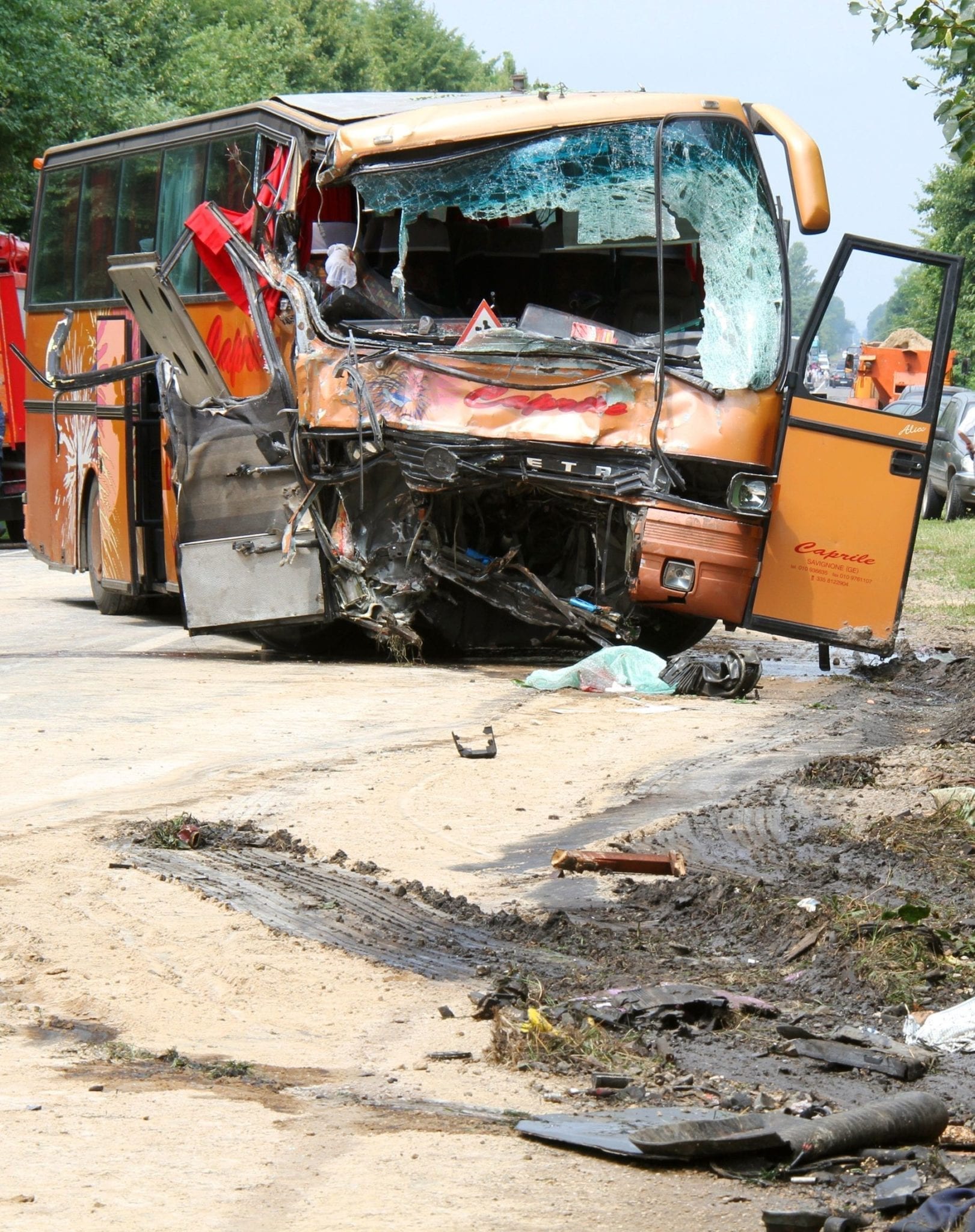
Revisiting Bus Safety Concerns in the Aftermath of a Gruesome Accident - Source www.winstonpersonalinjury.com
Flixbus Crash: Tragic Accident Highlights Safety Concerns In Long-Distance Travel
The recent Flixbus crash in Germany has brought to light serious safety concerns in long-distance travel. Long-distance travel often requires passengers to spend extended periods on buses or coaches, which can pose risks to their safety and well-being. These risks include fatigue, inadequate vehicle maintenance, and poor driver training. The Flixbus crash, which resulted in the deaths of several passengers, has highlighted the need for stricter safety regulations and improved oversight of long-distance bus travel.

Concerns Over Safety and Visibility in Spa-Francorchamps Circuit after - Source 247sports.news
Fatigue is a major concern for long-distance bus drivers. Drivers who are fatigued are more likely to make mistakes, such as driving off the road or failing to stop at stop signs. The Flixbus crash occurred in the early morning hours, when the driver may have been tired. To address this issue, regulations should be put in place to limit the number of hours that drivers can work and to ensure that they have adequate rest breaks.
Another concern is inadequate vehicle maintenance. Buses that are not properly maintained are more likely to break down or have accidents. The Flixbus crash was caused by a mechanical failure, which could have been prevented if the bus had been properly maintained. Regular inspections and maintenance should be required for all long-distance buses, and buses that are found to be unsafe should be taken out of service.
Finally, poor driver training can contribute to safety concerns in long-distance travel. Drivers who are not properly trained are more likely to make mistakes and to be involved in accidents. All long-distance bus drivers should be required to undergo comprehensive training, which should include instruction on defensive driving, emergency procedures, and customer service.
By addressing these safety concerns, we can help to prevent future tragedies from occurring. Stricter safety regulations, improved oversight, and better driver training can all contribute to making long-distance travel safer for everyone.
Conclusion
The Flixbus crash is a tragic reminder of the safety concerns that are associated with long-distance travel. Fatigue, inadequate vehicle maintenance, and poor driver training are all factors that can contribute to accidents. By addressing these concerns, we can help to prevent future tragedies from occurring.
Some specific steps that can be taken to improve safety include:
- Limiting the number of hours that drivers can work and ensuring that they have adequate rest breaks.
- Requiring regular inspections and maintenance for all long-distance buses.
- Providing comprehensive training for all long-distance bus drivers.
By taking these steps, we can help to make long-distance travel safer for everyone.