NEW INFO | Discussing the latest information from various media and various fields

Fire Safety: Preventing And Responding To Devastating Blazes
Fire safety measures are becoming indispensable as the risks of devastating blazes increase worldwide due to climate change, aging infrastructure, and increased population density. With the proper fire safety measures in place, property damage and loss of life can be significantly reduced.

Australia bushfires: Meet the koalas lucky to be alive after - Source news.sky.com
Editor's Note: "Fire Safety: Preventing and Responding to Devastating Blazes" is an essential resource for individuals, families, and businesses looking to protect themselves from the devastating effects of fires. This comprehensive guide provides valuable information on fire prevention, detection, and response measures to help you stay safe.
After conducting thorough research and analysis, we have compiled this guide to help our readers make informed decisions about fire safety. We have gathered information from reputable sources, including fire safety experts, government agencies, and academic institutions, to provide you with the most accurate and up-to-date information.
Key takeaways:
| Fire prevention: | Identify and eliminate fire hazards, develop emergency plans, and educate occupants on fire safety practices. |
| Fire detection: | Install smoke and heat detectors in all living areas, test detectors regularly, and maintain a clear path to exits. |
| Fire response: | Evacuate the building immediately, call the fire department, and use a fire extinguisher if it is safe to do so. |
Transition to main article topics:
The main body of this guide will cover the following topics in greater detail:
- Understanding the risks of fire
- Developing a fire safety plan
- Installing and maintaining fire safety devices
- Responding to a fire
- Recovering from a fire
By following the guidance provided in this guide, you can significantly reduce your risk of experiencing a devastating fire. Remember, fire safety is everyone's responsibility, and by working together, we can create a safer community for all.
FAQ
Preventing and controlling blazes is crucial for safeguarding lives, assets, and the environment. This FAQ section aims to address queries that may arise concerning effective fire safety measures.

Modern fire hose showing isometrically, essential equipment for - Source www.alamy.com
Question 1: What are the leading causes of residential fires?
Common causes include unattended cooking, faulty electrical wiring, and improper disposal of smoking materials such as cigarettes.
Question 2: How can I prevent electrical fires?
Regularly inspect and maintain electrical equipment, avoid overloading outlets, and use appropriate surge protectors to prevent power surges.
Question 3: What should I do if a fire breaks out in my home?
Stay calm, call for emergency services, evacuate promptly, and close doors and windows to contain smoke and fire.
Question 4: Is it safe to use water to extinguish electrical fires?
Never use water on electrical fires, as it can conduct electricity and worsen the situation. Instead, use a fire extinguisher rated for electrical fires.
Question 5: How often should I service my smoke detectors?
Test smoke detectors monthly and replace batteries annually. Consider installing interconnected smoke detectors for enhanced safety.
Question 6: What are some key things to remember in fire prevention?
Implement smoke and carbon monoxide detectors, maintain fire extinguishers, practice escape plans, and store flammable materials safely.
By adhering to these guidelines and seeking professional guidance when needed, we can significantly mitigate fire risks and ensure a safer environment for ourselves and our communities.
See our next article for more comprehensive fire safety tips and emergency response strategies.
Tips
Preventing and responding to fires requires vigilance, preparation, and knowledge. Here are essential tips to help you safeguard your home, family, and community from devastating blazes:
Tip 1: Practice Fire Prevention
Regularly inspect electrical appliances, outlets, and wiring. Avoid overloading circuits, and never leave candles unattended. Children should be taught never to play with matches or lighters. Fire Safety: Preventing And Responding To Devastating Blazes provides comprehensive guidance on fire prevention measures.
Tip 2: Install and Maintain Smoke and Carbon Monoxide Detectors
Early detection is crucial. Install smoke detectors in every bedroom, hallway, and on all levels of your home. Test them monthly and replace batteries regularly. Carbon monoxide detectors should also be installed to alert you to this odorless, deadly gas.
Tip 3: Create and Practice an Escape Plan
Every household should have an evacuation plan that includes multiple escape routes and a designated meeting point outside. Practice the plan with all family members so everyone knows what to do in an emergency.
Tip 4: Be Prepared to Respond to a Fire
Keep a fire extinguisher nearby and learn how to use it properly. Close doors and windows to contain the fire and limit oxygen flow. If escape is possible, crawl low to avoid smoke and heat.
Tip 5: Stay Informed and Seek Professional Help
Educate yourself and your family about fire safety. Contact your local fire department for resources and training programs. Never attempt to fight a large fire alone; call for professional help immediately.
Remember, fire safety is an ongoing responsibility. By following these tips and staying vigilant, you can help prevent fires and protect your loved ones from harm.
Fire Safety: Preventing And Responding To Devastating Blazes
Fire safety is crucial for preventing devastating blazes. Neglecting it can put individuals, property, and communities in harm's way. Therefore, it is imperative to prioritize fire safety by implementing effective preventative measures and maintaining readiness to respond to emergencies.
- Prevention: Smoke detectors, fire extinguishers, and escape plans are vital for early detection and timely evacuation.
- Response: Firefighters, emergency responders, and trained volunteers are essential for suppression and rescue operations.
- Education: Public awareness campaigns, fire drills, and community outreach help individuals understand fire risks and response procedures.
- Technology: Advanced fire suppression systems, such as sprinklers and fire-resistant materials, play a significant role in containing fires.
- Land Management: Controlled burns, vegetation clearing, and firebreaks prevent the spread of wildfires.
- Enforcement: Building codes, fire inspections, and penalties for violations ensure compliance with safety regulations.
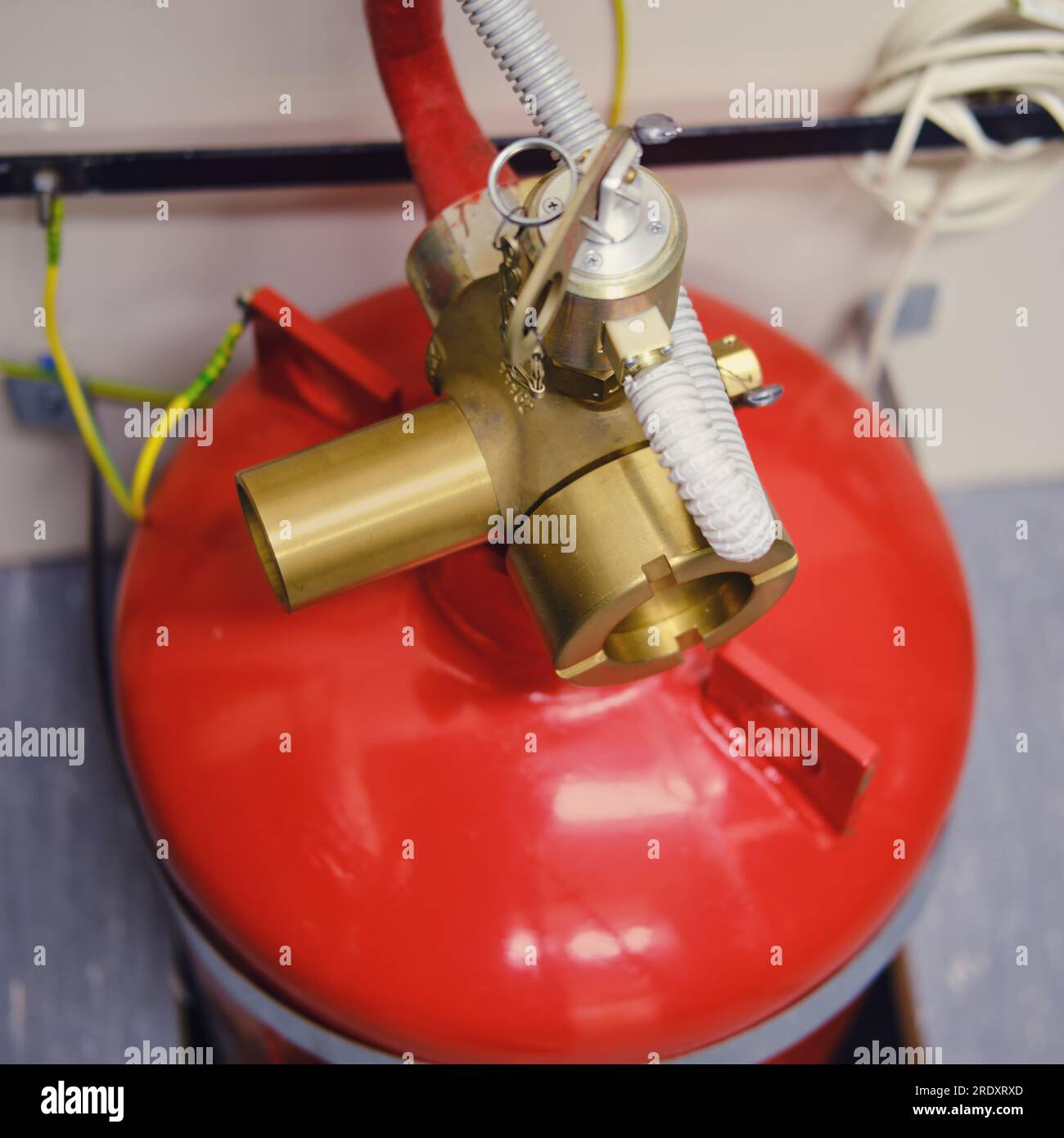
Industrial fire extinguishers provide essential safety equipment for - Source www.alamy.com
By considering these key aspects, we can establish a comprehensive approach to fire safety. Prevention, response, education, technology, land management, and enforcement work in synergy to minimize the risk of fires and mitigate their potential impact. This multifaceted strategy protects lives, property, and the environment from the devastating consequences of blazes.
Fire Safety: Preventing And Responding To Devastating Blazes
Fire safety remains a crucial component in preventing and responding to devastating blazes. Understanding its significance lies at the core of protecting lives, property, and the environment. Fires, often fueled by human error, electrical malfunctions, or natural causes, can spread rapidly, causing immeasurable damage.
Implementing proactive fire safety measures is paramount. Installing and maintaining smoke alarms, fire extinguishers, and sprinkler systems can provide early detection and suppression, minimizing the risk of fire escalation. Additionally, adhering to building codes, conducting regular fire drills, and educating occupants on fire safety protocols are essential. These measures empower individuals to prevent, contain, and respond to fires effectively.
The consequences of neglecting fire safety can be catastrophic. The Grenfell Tower fire in London, UK, in 2017, is a tragic example where inadequate fire safety measures resulted in the loss of 72 lives. Conversely, the successful evacuation of over 1,000 occupants from the World Trade Center during the 9/11 attacks demonstrates the effectiveness of robust fire safety plans and procedures.
Understanding the connection between fire safety and the prevention and response to devastating blazes is crucial for creating safer communities. By implementing appropriate measures, educating individuals, and raising awareness, we can significantly reduce the incidence and impact of fires, safeguarding lives and property.
| Fire Safety Measure | Purpose | Importance |
|---|---|---|
| Smoke Alarms | Detect smoke and sound an alarm | Provides early warning, allowing for evacuation and response |
| Fire Extinguishers | Suppress small fires | Can prevent fires from spreading and causing significant damage |
| Sprinkler Systems | Automatically spray water to extinguish or contain fires | Suppresses fires and protects against structural damage |
| Fire Drills | Simulate fire emergencies and practice evacuation procedures | Familiarizes occupants with evacuation routes and promotes rapid response |
| Fire Safety Education | Provides knowledge and skills for fire prevention and response | Empowers individuals to make informed decisions and take appropriate actions |