NEW INFO | Discussing the latest information from various media and various fields

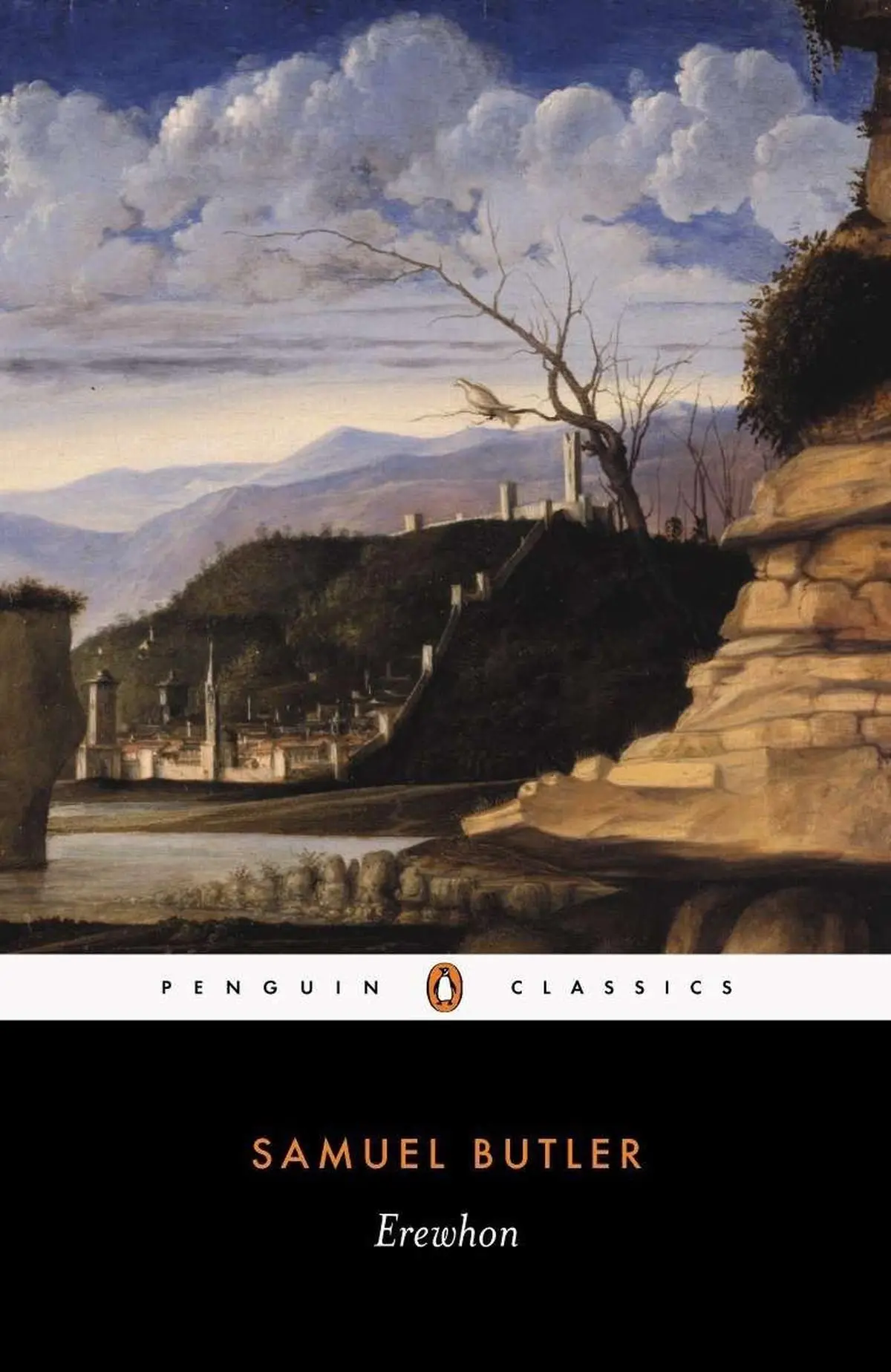
Erewhon: A Satirical Dystopian Novel By Samuel Butler
Ever wondered about Erewhon: A Satirical Dystopian Novel By Samuel Butler? Erewhon: A Satirical Dystopian Novel By Samuel Butler is a notable work that contributed to the development of modern dystopian fiction.
Editor's Notes: "Erewhon: A Satirical Dystopian Novel By Samuel Butler" have published today date. One of the benefits of reading this article because this novel offers a unique perspective on social and political issues, making it relevant to readers today.
Through analysis, research, and compilation, our experts have created this guide to help you understand Erewhon: A Satirical Dystopian Novel By Samuel Butler and make informed decisions
Frequent Questions about Erewhon by Samuel Butler
Erewhon, a satirical dystopian novel written by Samuel Butler in 1872, explores themes of social and religious conformity, the perversion of science, and the dangers of excessive mechanization. This FAQ addresses common inquiries and misconceptions regarding the novel.

Erewhon Revisited eBook by Samuel Butler | Official Publisher Page - Source www.simonandschuster.com
Question 1: What is the significance of the reversed 'w' in the title "Erewhon"?
The reversed 'w' in "Erewhon" represents the reversal of societal norms and values within the novel. It highlights the topsy-turvy nature of Erewhon, where common sense and logic are distorted, and traditional beliefs are challenged.
Question 2: How does Erewhon critique the role of religion in society?
Butler uses Erewhon to satirize organized religion, particularly the blind acceptance of dogma and the suppression of scientific thought. The Machine and its priesthood represent the dogmatic nature of religious institutions, while the Musical Banks symbolize the mindless conformity and ritualism often associated with religious practices.
Question 3: What are the implications of the excessive mechanization in Erewhon?
The novel warns against the unchecked advancement of technology and its potential to dehumanize society. The Erewhonians' reliance on machines for various aspects of life results in physical and intellectual atrophy, highlighting the dangers of prioritizing efficiency over human well-being.
Question 4: How does Butler explore the idea of social conformity in Erewhon?
Erewhon features a strict system of social and dietary regulations, enforced by the Ydgrun, which forces individuals to conform to prescribed norms. This conformity stifles creativity, individuality, and the pursuit of personal aspirations, underscoring the corrosive effects of societal pressure.
Question 5: What is the role of satire in Erewhon?
Butler uses satire throughout the novel to expose the follies and absurdities of human behavior. By presenting a society with exaggerated and distorted values, he invites readers to reflect critically on their own society and its shortcomings.
Question 6: How has Erewhon influenced modern literature and thought?
Erewhon has had a lasting impact on literature and social commentary. Its satirical insights and exploration of complex social issues have influenced writers like George Orwell, Aldous Huxley, and Kurt Vonnegut. The novel continues to resonate with readers today, serving as a cautionary tale about the dangers of blind conformity, unchecked technological advancement, and the perversion of human values.
Tips

THE ODYSSEY OF HOMER | Samuel Butler Homer Louise Ropes Loomis | First - Source www.rarebookcellar.com
The satirical dystopian novel Erewhon: A Satirical Dystopian Novel By Samuel Butler offers valuable insights into the human condition. Its exploration of themes such as conformity, technology, and social control provides readers with lessons that remain relevant in today's world.
Tip 1: Beware the dangers of conformity.
The citizens of Erewhon are obsessed with uniformity, and any deviation from the norm is met with severe punishment. This stifles creativity, individuality, and progress.
Tip 2: Question the role of technology in society.
Erewhon's citizens have embraced technology to the point of absurdity. Machines are worshipped, and their use is seen as a sign of progress. However, Butler warns that technology can become a force for control and oppression.
Tip 3: Be vigilant against social control.
The government of Erewhon uses a system of surveillance and punishment to maintain its power. Citizens are constantly monitored, and any dissent is swiftly crushed. This serves as a reminder of the dangers of unchecked authority.
Tip 4: Value the importance of individuality.
Erewhon's emphasis on conformity stifles individuality. Butler argues that it is essential to embrace one's uniqueness and to resist the pressures to conform.
Tip 5: Seek truth and knowledge.
The citizens of Erewhon are taught to accept dogma without question. Butler encourages readers to think critically and to seek out the truth, even if it is uncomfortable or inconvenient.
By following these tips, readers can gain valuable insights into the human condition and the dangers of extremism, technology, and social control. Erewhon: A Satirical Dystopian Novel By Samuel Butler is a timeless classic that continues to offer valuable lessons for the modern world.
Erewhon: A Satirical Dystopian Novel By Samuel Butler
Erewhon, a satirical novel by Samuel Butler, is a complex and nuanced work that critiques the Victorian era and explores timeless themes. Here are six key aspects that contribute to its depth and significance:
- Satirical: Erewhon humorously mocks societal norms and conventions.
- Dystopian: It depicts a society where technology and advancements lead to a decline in human values.
- Utopian: Despite its dystopian elements, Erewhon also presents a vision of an ideal society.
- Anti-machine: The novel criticizes the negative impact of industrialization and over-reliance on technology.
- Social Darwinism: Erewhon satirizes the application of evolutionary theory to human society, leading to the suppression of the weak.
- Philosophical: The novel engages with fundamental philosophical questions about progress, morality, and the nature of humanity.
These aspects are interconnected and shape the novel's overall message. Erewhon challenges readers to question their preconceptions, consider alternative perspectives, and reflect on the consequences of societal choices. It remains a relevant and thought-provoking work, offering insights into the complexities of human nature and the fragility of civilization.

PR HORSE – Medium - Source medium.com
In Erewhon’s court - Frontline - Source frontline.thehindu.com
Erewhon: A Satirical Dystopian Novel By Samuel Butler
In "Erewhon", Samuel Butler crafts a satirical dystopia to tackle pressing issues of his time, primarily the growing concerns about technology and progress. Erewhon is a topsy-turvy society where machines are revered as divine and illness is considered a crime. By inverting societal norms, Butler invites readers to reconsider everything they take for granted about their own world.

Booker Prize winner 'Prophet Song' is a dystopian tale of Irish - Source podtail.com
Butler criticizes the blind pursuit of technological advancement without regard for ethical implications. The Erewhonians' worship of machines highlights the dangers of deifying technology and losing sight of human values. Furthermore, Butler satirizes the medical establishment by portraying illness as a crime. This critique reflects 19th-century concerns about the growing power and influence of the medical profession.
Beyond its satirical elements, "Erewhon" also presents valuable insights into human nature. Butler explores themes of conformity, fear of authority, and the importance of individuality. By challenging societal conventions, "Erewhon" encourages readers to question their own beliefs and to strive for a more just and equitable world.
Conclusion
Samuel Butler's "Erewhon" stands as a timeless critique of societal norms and a warning against the dangers of unchecked technological advancement. By inverting societal values and satirizing human foibles, Butler invites readers to question their own beliefs and to strive for a more just and equitable world. "Erewhon" remains a relevant and thought-provoking work, challenging readers to consider the consequences of their actions and the values they hold dear.
Butler's exploration of themes such as conformity, fear of authority, and the importance of individuality resonates deeply in today's world. In an era marked by rapid technological change and social upheaval, "Erewhon" serves as a reminder of the importance of critical thinking, empathy, and the pursuit of true progress that benefits all of humanity.