NEW INFO | Discussing the latest information from various media and various fields

Department Of Provincial Administration: Empowering Local Governance In Thailand
This topic is important to read as "Department of Provincial Administration: Empowering Local Governance in Thailand" is a recent publication, and many people are interested in learning more about it.
In this guide, we will provide a comprehensive overview of the Department of Provincial Administration, its role in empowering local governance in Thailand, and its key achievements.
| Key differences | Key takeaways |
|---|---|
| Department of Provincial Administration | Empowering Local Governance in Thailand |
| Role | Achievements |
| Strengthening Local Governance | Improved service delivery |
The Department of Provincial Administration (DOPA) is a government agency responsible for overseeing local governance in Thailand.

Empowering local governance: advancing EU accession path for Western - Source www.cei.int
DOPA's mission is to promote the development of strong and effective local governments that are accountable to their citizens.
To achieve this, DOPA provides a range of services and support to local governments, including:
- Technical assistance
- Training
- Financial support
- Policy development
- Monitoring and evaluation
DOPA has played a significant role in strengthening local governance in Thailand.
Through its various programs and initiatives, DOPA has helped to:
- Improve service delivery
- Increase transparency and accountability
- Promote citizen participation
- Strengthen local economies
As a result of DOPA's efforts, local governments in Thailand are now better equipped to meet the needs of their citizens and contribute to the country's overall development.
FAQ
The Department of Provincial Administration (DOPA) empowers local governance in Thailand through a range of initiatives and programs. Here are some frequently asked questions (FAQs) about DOPA's work:

Seal of Good Local Governance for Talisay CIty | Talisay City, Negros - Source www.talisaycity.gov.ph
Question 1: What is the mission of DOPA?
DOPA's mission is to strengthen the capacity of local governments to deliver effective services to their communities. It promotes decentralization and local autonomy, while fostering collaboration between different levels of government.
Question 2: How does DOPA support local governments?
DOPA provides a range of support mechanisms, including capacity building, technical assistance, and financial resources. It also facilitates knowledge sharing and best practices, enabling local governments to improve their service delivery and meet the needs of their constituents.
Question 3: What are the key challenges facing local governments in Thailand?
Local governments in Thailand face various challenges, including limited financial resources, lack of capacity, and fragmented service delivery. DOPA works to address these challenges by providing targeted support and promoting innovative solutions.
Question 4: How does DOPA promote citizen participation in local governance?
DOPA recognizes the importance of citizen participation in local governance. It supports initiatives that enhance civic engagement, such as public forums, community dialogues, and citizen participation in decision-making processes.
Question 5: What are the key achievements of DOPA's work?
DOPA has made significant achievements in empowering local governance in Thailand. These include improvements in service delivery, increased citizen participation, and strengthened inter-governmental collaboration.
Question 6: How can I get involved with DOPA's work?
Individuals and organizations can engage with DOPA's work through various channels, such as attending workshops, volunteering, and providing feedback on local governance issues.
DOPA remains committed to working closely with local governments and other stakeholders to empower local governance and foster a more inclusive, sustainable, and prosperous Thailand.
Read more about DOPA's work on empowering local governance in Thailand.
Tips
Department Of Provincial Administration: Empowering Local Governance In Thailand provides tips for local government officials on effective governance. These tips cover key areas essential for successful local governance.
Tip 1: Promote Participatory Decision-Making
Engage citizens in the decision-making process to ensure their needs and perspectives are considered. Host public forums, conduct surveys, and utilize social media to gather input and foster collaboration.
Tip 2: Enhance Service Delivery
Provide efficient and responsive services to meet the needs of local communities. Utilize technology to streamline processes, reduce wait times, and improve accessibility. Monitor service delivery to identify areas for improvement.
Tip 3: Foster Economic Development
Support local businesses, attract new investment, and create jobs. Develop partnerships with local entrepreneurs, establish business incubators, and promote tourism to stimulate economic growth within the community.
Tip 4: Preserve Cultural Heritage
Protect and promote local cultural assets, including historic landmarks, traditional arts, and local customs. Encourage community involvement in cultural preservation initiatives to foster a sense of identity and belonging.
Tip 5: Practice Fiscal Responsibility
Manage local finances prudently and transparently. Develop balanced budgets, prioritize spending on essential services, and implement cost-saving measures to ensure the long-term financial sustainability of the community.
Tip 6: Encourage Environmental Sustainability
Promote environmental protection and conservation initiatives. Reduce waste, promote energy efficiency, and protect local ecosystems to create a sustainable future for the community.
Tip 7: Foster Intergovernmental Collaboration
Work in partnership with other levels of government to achieve common goals. Share resources, coordinate policies, and leverage expertise to enhance local governance and service delivery.
Tip 8: Promote Capacity Building
Invest in professional development and training for local government staff. Enhance their skills, knowledge, and leadership abilities to effectively manage the affairs of the community.
These tips provide valuable guidance to local government officials in Thailand. By embracing these principles, local governments can enhance their governance, improve service delivery, and create thriving communities for their citizens.
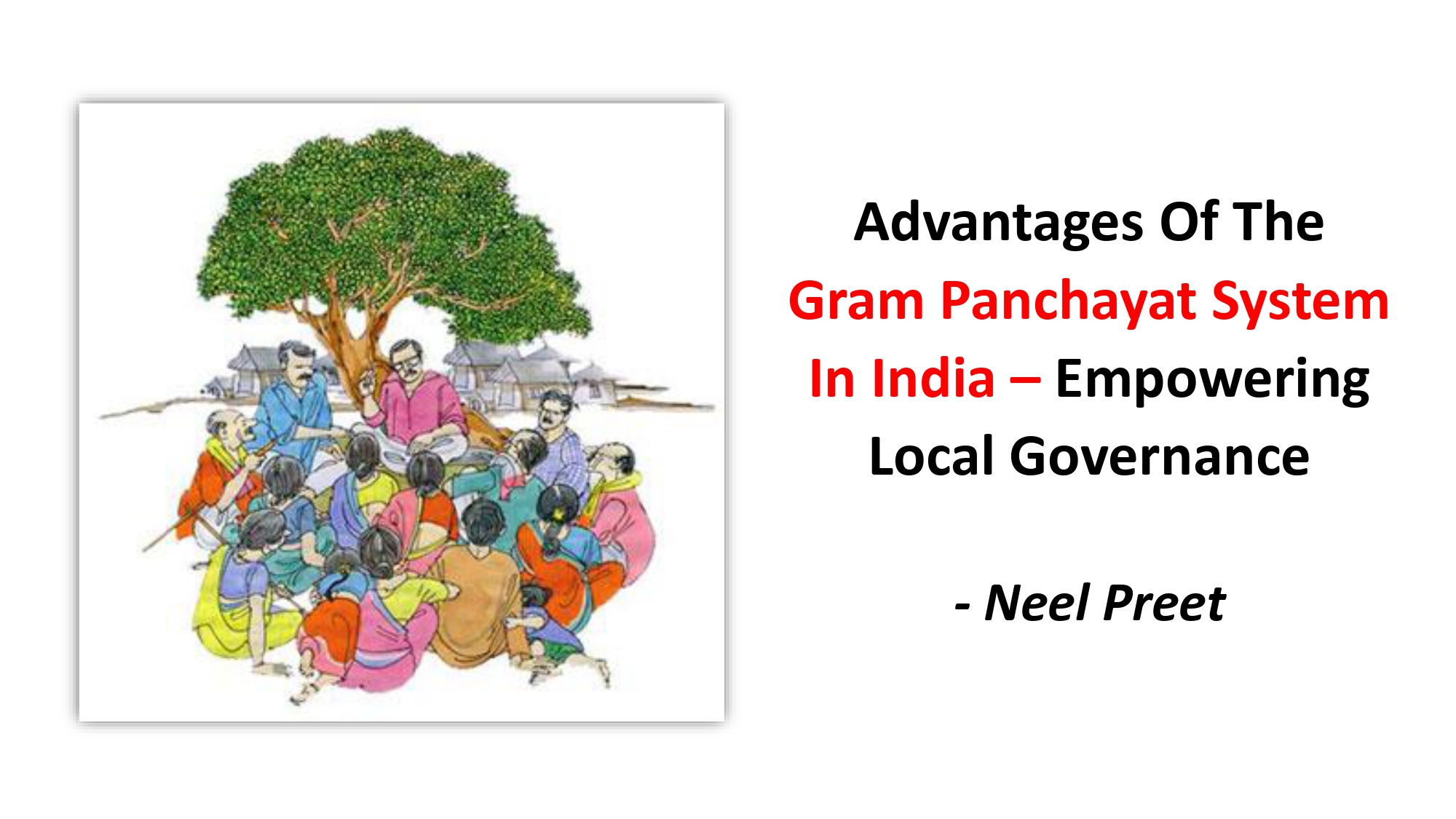
Advantages Of The Gram Panchayat System In India – Empowering Local - Source www.theliteraturetimes.com
Department Of Provincial Administration: Empowering Local Governance In Thailand
Facilitating decentralization and enhancing local autonomy are central to the Department of Provincial Administration's (DOPA) mission in Thailand. Through a range of initiatives, DOPA seeks to empower local governments, enabling them to better respond to the needs of their communities.
- Legislative Framework: The enactment of the Local Government Act of 1997 provides the foundation for DOPA's work, establishing the legal framework for local governance and defining the roles and responsibilities of local authorities.
- Capacity Building: DOPA invests heavily in training and development programs for local government officials, equipping them with the knowledge and skills necessary for effective administration and service delivery.
- Financial Strengthening: DOPA works to enhance the financial capacity of local governments by providing grants and technical assistance, enabling them to invest in infrastructure, social services, and economic development initiatives.
- Community Engagement: DOPA emphasizes the importance of citizen participation in local governance, promoting transparency and accountability through community forums and other participatory mechanisms.
- Decentralization: DOPA supports the delegation of authority and decision-making to local governments, enhancing their autonomy and responsiveness to local conditions.
- Partnerships: DOPA collaborates with civil society organizations, non-governmental organizations, and international development partners to foster a supportive ecosystem for local governance.
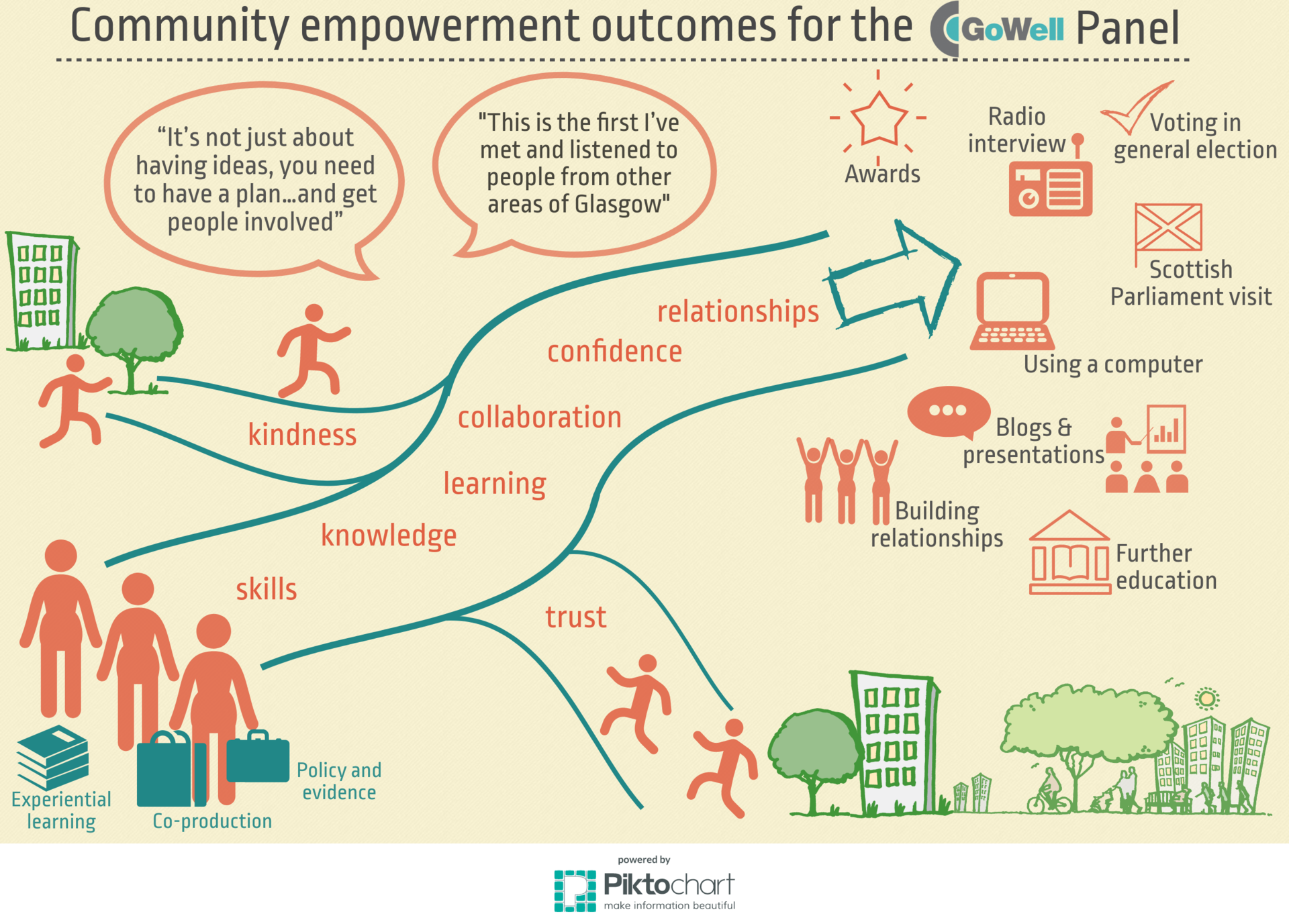
A Comprehensive Guide To Map My County V10: Empowering Local Governance - Source mapofcountriesaroundfrance.pages.dev
The combined impact of these initiatives has been significant, with local governments in Thailand demonstrating increased effectiveness in delivering services, addressing local challenges, and promoting sustainable development. DOPA's ongoing efforts to empower local governance are vital for strengthening Thailand's democracy and ensuring that the needs of all communities are met.
Department Of Provincial Administration: Empowering Local Governance In Thailand
The Department of Provincial Administration (DOPA) in Thailand plays a crucial role in strengthening local governance and empowering local communities. Established in 1892, DOPA is responsible for overseeing the administration and development of 76 provinces, facilitating decentralization and enhancing citizen participation in the governance process.

B-BBEE Provincial Conference – Empowering Citizens – B-BBEE Commission - Source www.bbbeecommission.co.za
DOPA's mandate encompasses a wide range of functions, including promoting local autonomy, coordinating intergovernmental relations, providing technical assistance to local governments, and fostering community-led development initiatives. Through its provincial offices, DOPA works closely with local authorities, civil society organizations, and community representatives to identify and address local needs.
The department's focus on empowering local governance has several key benefits. Decentralization allows for more efficient and responsive decision-making, as local officials have a better understanding of the unique needs and priorities of their communities. It also fosters greater transparency and accountability, as citizens can directly engage with their local representatives and monitor the performance of local governments.
DOPA's efforts have contributed to significant improvements in local governance in Thailand. For example, the department has supported the establishment of Community Development Councils (CDCs) in every village and sub-district, providing a platform for citizens to participate in local decision-making and hold their leaders accountable. DOPA has also been instrumental in promoting e-governance initiatives, making government services more accessible and transparent to citizens.
In conclusion, the Department of Provincial Administration plays a vital role in empowering local governance in Thailand. Through its decentralized approach, technical assistance, and community engagement initiatives, DOPA has strengthened local autonomy, improved service delivery, and fostered greater citizen participation in the governance process.
| Role | Functions |
|---|---|
| Promoting local autonomy | Supporting the establishment of Community Development Councils, providing technical assistance to local governments, and facilitating intergovernmental relations. |
| Coordinating intergovernmental relations | Ensuring effective coordination between national and local governments, as well as between different levels of local government. |
| Providing technical assistance to local governments | Offering training, capacity building, and other forms of support to local officials to enhance their administrative and technical capabilities. |
| Fostering community-led development initiatives | Supporting the establishment of community organizations, promoting participatory planning, and facilitating community-based projects. |
Conclusion
The Department of Provincial Administration's commitment to empowering local governance is essential for the long-term development and stability of Thailand. By strengthening local autonomy, promoting citizen participation, and fostering partnerships between government and civil society, DOPA is helping to build a more inclusive, democratic, and responsive society.
As Thailand continues to decentralize its governance system, DOPA's role will become increasingly important. The department must continue to adapt to the changing needs of local communities and find innovative ways to support and empower local governments. By doing so, DOPA can ensure that local governance remains a cornerstone of Thailand's democratic development.